Kent, WA
Church Water Damage Restoration in Kent, WA – Sanctuaries and Halls Ready for Sunday
Water in a church often reaches the sanctuary carpet, a fellowship hall or classrooms used every week. A local water damage restoration contractor dries and repairs those spaces and schedules the work around services and events.
- Serving Kent, WA
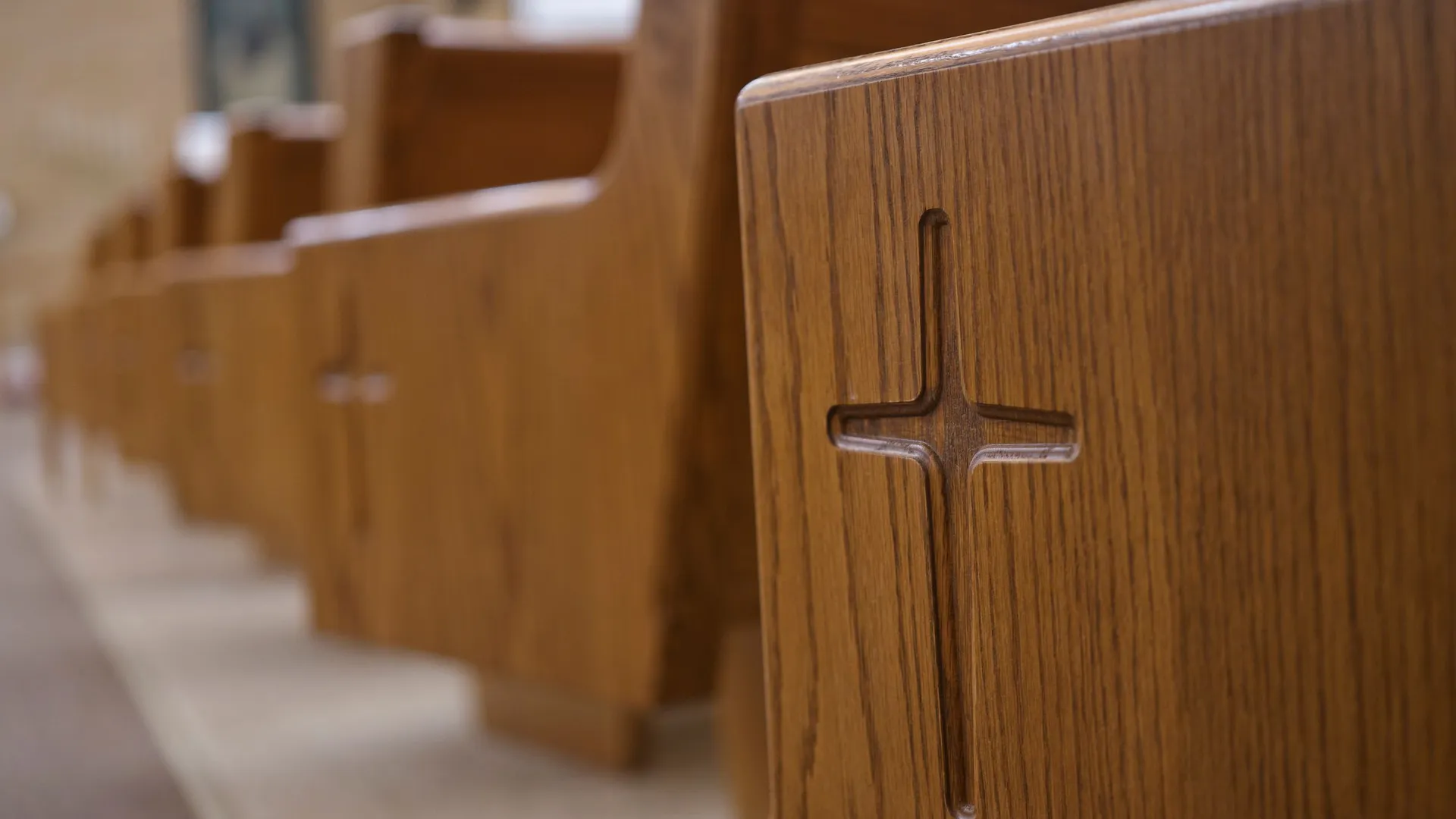
- Sanctuary
- carpet and pews
- Schedule
- work around services
- Records
- for the church insurer
Where Water Damage Shows Up in Church Buildings
Church water damage restoration in Kent starts with the rooms used most, because a church building works on a weekly rhythm. The sanctuary fills on the weekend, the fellowship hall hosts meals and meetings, classrooms and the nursery fill on Sunday mornings and midweek, and some buildings rent space to schools, groups or other congregations. A leak that sits from a Monday to a Friday can take all of those out of use for the weekend. Many church buildings are also large, older and empty for long stretches of the week, so water from a burst pipe or a roof leak can run for days before anyone sees it.
The first hour after water is found follows a short list:
- Shut off the water at the fixture or the building main, and switch off the water heater if it is the source.
- Keep people, and especially children, out of the wet rooms.
- Move hymnals, music, sound equipment, classroom supplies and records out of the water.
- Photograph the source and every affected room before anything moves.
- Notify the pastor, the facilities lead and the insurer.
- Call the number on this page to start extraction.
Sanctuary Carpet and Pews
Sanctuaries are carpeted wall to wall, often over a concrete slab or a raised floor, with fixed pews bolted through the carpet. Water runs under the pew rows where extraction tools cannot easily reach, and the pad underneath holds it. Pew ends and kneelers that sit in water can stain or swell. Platform and chancel areas are often built-up wood floors over a hollow space that traps water.
Contents in the sanctuary need attention as well. Pew cushions soak up water like upholstery and are lifted off and set aside to dry or be replaced. Hymnals, Bibles and printed music that got wet can be stood on end to air-dry, or frozen in plastic bags if there are too many to handle at once, which stops mold while the church decides what to keep.
Fellowship Halls, Kitchens and Classrooms
Fellowship halls and church kitchens hold the most plumbing: sinks, dishwashers, ice machines and water heaters. A failed line there floods the hall floor and runs under the walls into the classrooms and nursery beside it. Children’s rooms need to be fully dry and clean before they reopen, so they are scheduled first.
Well-meaning volunteers often arrive with shop vacs and box fans. That helps with surface water on a hard floor, but it cannot reach the water in carpet pad, under platforms or inside walls, and household extension cords and fans in wet rooms are a shock risk. Volunteers are most useful moving contents, photographing damage and keeping the schedule, while the extraction and measured drying are left to the crew.
Scheduling Church Water Damage Work Around Services
The drying is planned backward from the next service or event. On the first visit, the crew and the church office or facilities lead agree on which rooms must be usable on which days: the sanctuary for the weekend service, the hall for a funeral reception, the classrooms for midweek programs. Extraction and drying start at once in all wet areas, then the equipment is arranged so the priority rooms dry first. When a wet sanctuary has to host a service, the equipment can be moved aside or swapped for quieter units for the service, then restarted right after, because switching it off for long periods slows the drying. Loud work such as cutting drywall or pulling carpet is scheduled for weekdays when the building is empty. Weddings, funerals and community events booked in the building go on the schedule too, so the facilities lead knows which rooms will be ready for each one. A short written update after each visit, listing the rooms dry, the rooms still drying and the next steps, helps the pastor and staff answer the congregation’s questions with one consistent answer.
How Church Sanctuaries and Halls Are Dried
Church buildings dry like small commercial buildings, with large rooms that need more equipment than a house. The work follows the IICRC S500 standard (IICRC S500).

Large Rooms and High Ceilings
A sanctuary with a high ceiling holds a large volume of air, so dehumidifiers are sized for the room, and air movers are placed low to work on the carpet and pew rows rather than the empty space above. Carpet between fixed pews is extracted row by row with smaller wands. Readings are taken across the room each day, including under the platform. Pianos, sound equipment and any pipe organ are covered and kept away from direct airflow, and the church’s own technicians check them before use.
Basements Under Older Church Buildings
Older church buildings often have basements with classrooms, kitchens or storage, sometimes partly below the surrounding ground. They collect water from the floors above, from foundation seepage in long winter storms and from water heaters and boilers. Basement water is pumped out first, then the walls and floors are dried. Seepage that came through the foundation is outside water and is handled that way, with wet carpet and drywall removed rather than dried in place (IICRC S500).
Buildings that sit empty midweek are most at risk in a Kent cold snap. Keeping the heat on in every room, including classrooms and basements that are closed during the week, and opening cabinet doors under sinks on outside walls helps prevent frozen pipes (Triple-I). A building check on cold mornings finds a leak in hours instead of days.
Church Water Damage Services Used Most
Four services make up most church water damage work. Wet carpet drying leads, because sanctuaries, halls and classrooms are carpeted and saving carpet in place gets rooms back fastest. Structural drying covers the walls, platforms and subfloors, where water hides under built-up floors. Flood cleanup applies when storm water reaches a basement or ground-floor rooms. And ceiling water damage covers roof leaks over sanctuaries and halls, which are common on large, older roofs during winter storms. The full process is on the water damage restoration in Kent page.
Church Insurance and Board Documentation
A church claim usually goes through a board or a finance committee as well as the insurer, so the records need to work for both. Church property policies usually cover sudden water such as a burst pipe, a failed water heater or a roof leak in a storm, and some include coverage for lost income from cancelled rentals or events (Triple-I). Gradual leaks are treated as maintenance, and outside floodwater needs a separate flood policy (FEMA).
Keep one shared file with:
- Photos of the source and every affected room, taken before cleanup.
- A list of damaged contents, such as hymnals, classroom supplies, furniture and equipment.
- Cancelled rentals or events and the income lost.
- The contractor’s moisture map, daily drying log and written repair scope.
A short written summary for the board, covering what happened, what is being done, which rooms are affected and the expected schedule, saves repeated questions and makes approvals faster. Ask the contractor for the drying log at the end so the file is complete.
How Quotes Work for Churches
A church quote is written after the sanctuary, halls, classrooms and any basement have been read. Six things set it: the water category, the square footage affected, the carpet, pad and drywall removed, the equipment needed for large rooms, the drying days and the scheduling around services and events. A wet nursery and a roof leak across the sanctuary are different jobs. Call the number on this page to get a quote for your church.
Churches across Kent, WA
FAQ
Frequently Asked Questions About Water Damage Restoration
Can a church hold services during water damage drying?
Often, yes. If the sanctuary is dry, services go ahead while the fellowship hall or classrooms dry behind closed doors. If the sanctuary is wet, the drying is planned around the service schedule, with equipment moved aside or switched to quieter units for the service, then restarted right after.
Can wet sanctuary carpet be saved?
Often, yes, when the water was clean and extraction starts within a day or two. The carpet and pad are extracted between the pews and dried in place with air movers and dehumidifiers. Carpet soaked by gray water or outside water, or wet for several days, is replaced along with the pad (IICRC S500).
Does church insurance cover water damage?
Church property policies usually cover sudden water such as a burst pipe, a failed water heater or a roof leak during a storm, and some include coverage for lost income from cancelled events (Triple-I). Slow leaks are treated as maintenance, and outside floodwater needs a separate flood policy (FEMA). Photograph before cleanup.