Kent, WA
Structural Drying in Kent, WA – Framing, Subfloors and Walls Dried to the Readings
Water that soaks into framing, subfloors and wall cavities stays long after the floor looks dry. A local water damage restoration contractor sets air movers and dehumidifiers and reads the moisture every day until the structure is dry.
- Serving Kent, WA
- S500
- IICRC drying standard
- 24-48 hrs
- before mold can start (EPA)
- Daily
- moisture readings until dry
Why a Dry-Looking Floor Can Still Be Wet Inside
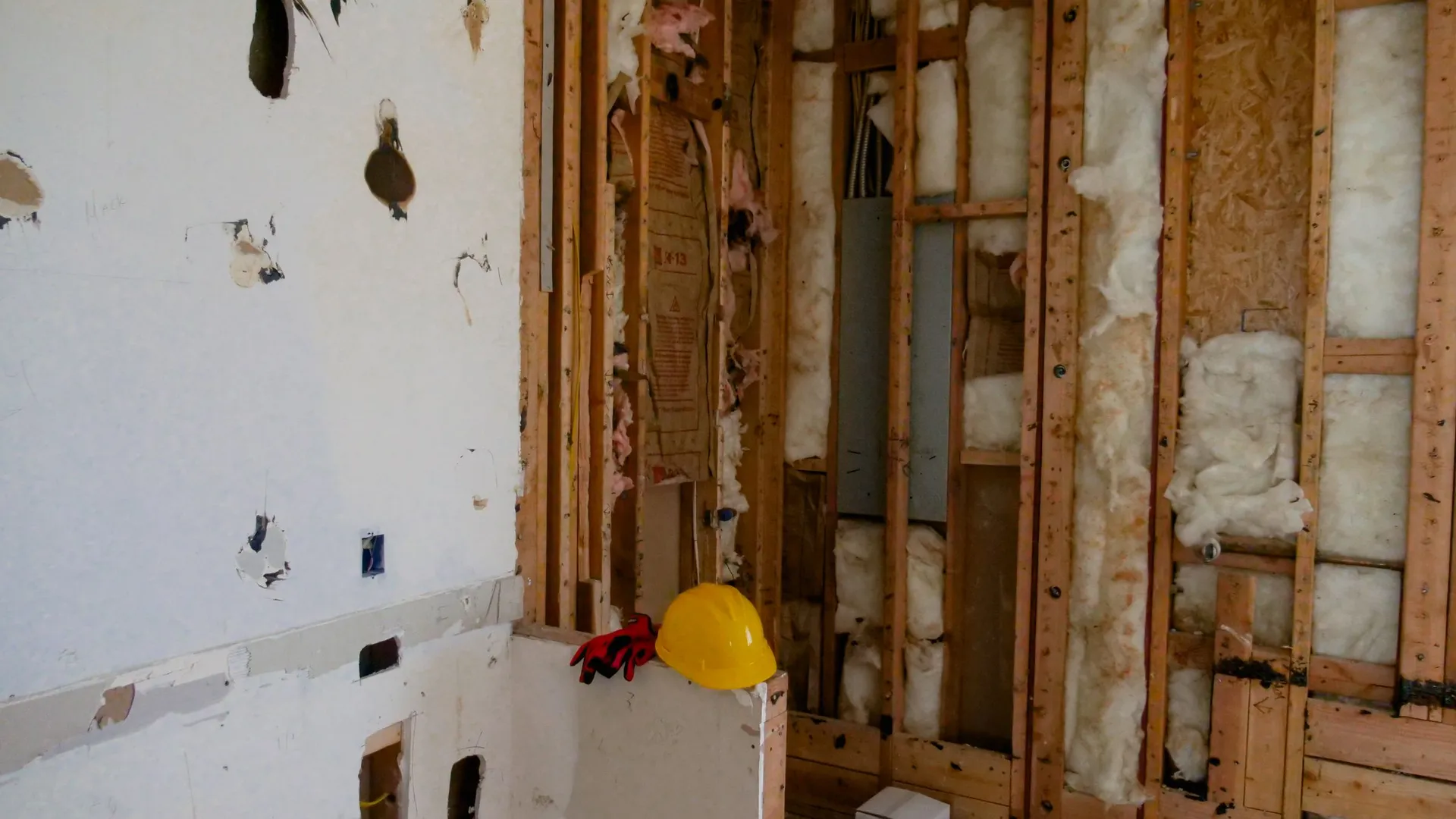
Structural drying in Kent starts from one fact: a floor that feels dry can still hold water inside. Drywall wicks water upward from the floor line, insulation holds it like a sponge, and the subfloor and framing absorb it through every seam. The surface dries in a day while the materials underneath stay wet for weeks. That hidden moisture is what swells baseboards, loosens flooring and lets mold grow behind closed walls; the EPA advises drying wet materials within 24 to 48 hours to prevent it (EPA). A moisture meter finds what a hand on the wall cannot. If water reached the walls or the subfloor, call the number on this page before anyone paints, patches or puts furniture back.
Five signs point to water still inside the structure after the visible water is gone:
- Baseboards that have swelled, split or pulled away from the wall.
- Paint that bubbles or drywall that feels soft near the floor.
- Laminate or vinyl plank that lifts at the seams or feels spongy underfoot.
- A musty smell in a closed room a few days after the leak.
- Hardwood boards that cup, with the edges higher than the centers.
What Gets Dried: Framing, Subfloors, Wall Cavities and Hardwood
Structural drying covers 5 parts of a building, and each one dries differently. The water category decides which of them can be dried in place and which come out: clean water allows the most to stay, gray water and outside water less (IICRC S500).
Wall Cavities and Drywall
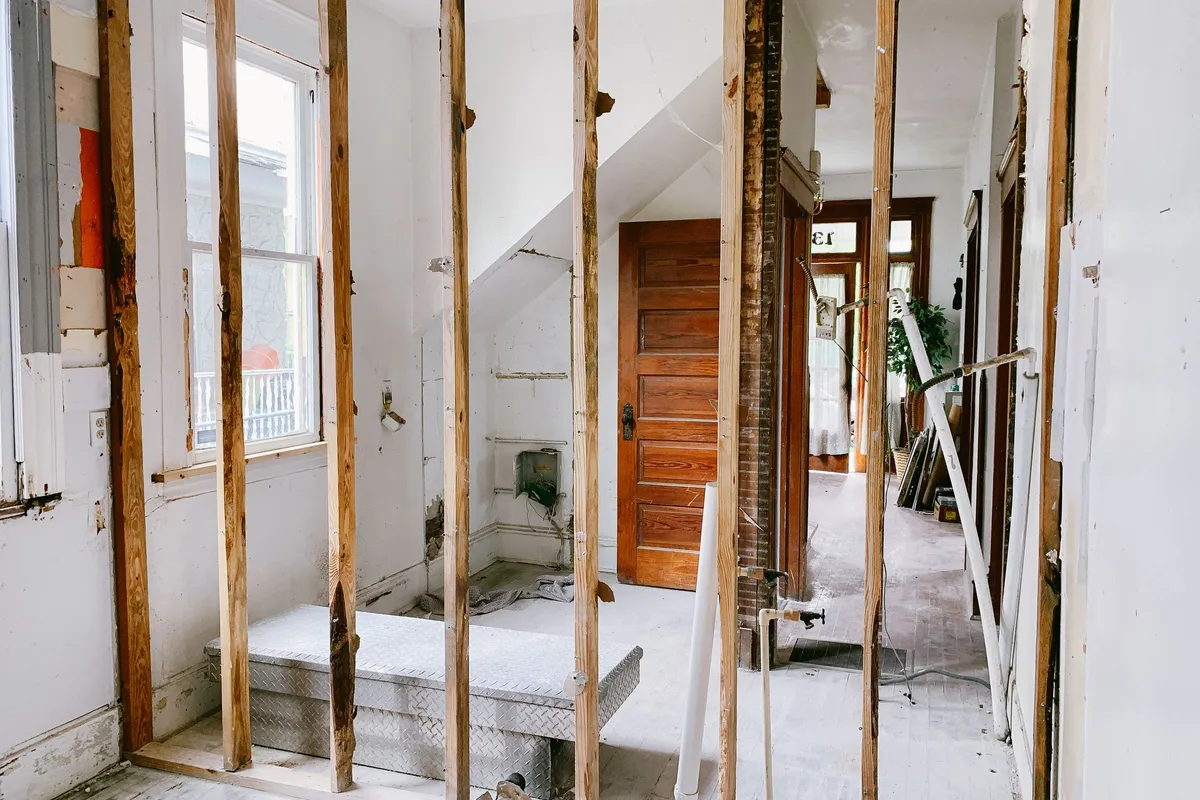
Drywall soaked by clean water can sometimes be dried in place by drilling small holes behind the baseboard and pushing air into the cavity. Drywall that took in gray or outside water, or that crumbles, is cut out above the wet line. Wet insulation inside the wall comes out in either case, because it does not dry where it sits.
Subfloors and Floor Framing
Plywood and particleboard subfloors take water from the flooring above and the joists below. Plywood often dries with air movers and dehumidifiers once the flooring is lifted; particleboard swells and loses strength, so it is replaced. The joists under the subfloor are dried from the crawlspace or from an opened ceiling below.
Hardwood Floors
Hardwood cups as the bottom of the boards takes on water. Drying mats or panels sealed to the floor pull moisture out through the boards, and readings track each area. Boards that dried flat stay; boards that cracked or cupped badly come up.
Cabinets and Toe-Kicks
Kitchen and bathroom cabinets trap water underneath, behind the toe-kick. The crew removes the toe-kick panel and blows air under the cabinet base so it dries without pulling out the countertops. Particleboard cabinet bases that swelled are replaced.
Crawlspace Framing
Joists, beams and the underside of the subfloor in a crawlspace stay wet for a long time in a damp space. They are dried with dehumidifiers and air movers placed inside the crawlspace, after any standing water is pumped out. The crawl space water damage page covers the rest of that job.
How Air Movers, Dehumidifiers and Moisture Mapping Work Together
Drying is a process of measuring, placing and re-measuring. Air movers lift moisture from wet surfaces into the air; dehumidifiers take it out of the air so the materials keep giving it up. Plastic containment shrinks the space being dried so the equipment works faster. The work follows the IICRC S500 standard for water damage restoration (IICRC S500).
The standard also sorts every job into a drying class, separate from the water category. The class describes how much water the materials absorbed and how hard it will be to get out. A Class 1 job is a small area with little absorbed water. Class 2 covers a whole room with water wicked up the walls. Class 3 means water came from above and soaked ceilings, walls, insulation and carpet. Class 4 covers dense materials that hold water tightly, such as hardwood, plaster, concrete and crawlspace framing (IICRC S500). The class sets how much equipment goes in and how long the drying is likely to run.
Step 1: Map the Moisture
The crew takes readings across floors, walls and ceilings and marks where the wet area ends. Readings from unaffected materials of the same kind become the dry reference that every later reading is compared against.
Step 2: Set Air Movers and Dehumidifiers
Air movers are aimed along the bottom of wet walls and across wet floors. Dehumidifiers are sized to the room and the amount of water. Wall cavities are vented or opened where readings show water trapped inside.
Step 3: Read Every Area Daily
Readings are taken at the same marked points each day and written into a drying log. Equipment moves away from areas that have dried and toward areas that still read wet, so the drying does not stall in one corner.
Step 4: Confirm Dry and Record the Numbers
Drying ends when every marked point matches the dry reference, not after a fixed number of days. The final readings go into the log with the dates, which is the record the insurer and the repair crew both need.
Walls or floors still reading wet? Call the number on this page to set up the drying.
Drying in a Damp Climate
Kent’s weather works against a wet house. The city sees rain on roughly 150 days a year, concentrated between October and April (Wikipedia), and the outdoor air stays humid for most of that season. Opening the windows to “air the house out” brings that damp air inside and slows the drying instead of speeding it up. In Kent the dehumidifiers carry the load: they pull moisture out of closed rooms faster than any amount of outside air could. Raised-floor homes on West Hill and around Panther Lake add a second space to dry, because water that came through the floor above leaves the crawlspace framing wet even when the rooms upstairs read dry.
Repairs Start When the Readings Say Dry
Nothing goes back in until the final readings match the dry reference. New drywall hung over a wet stud traps the moisture and can grow mold behind fresh paint (EPA). Once the log shows dry, the contractor replaces the drywall, insulation, baseboards and flooring that came out, then primes and paints. Keep the drying log, the moisture map and the before photos together: an insurer asks for all three to show what was wet, what was removed and when the structure was dry. Standing water still in the building? Start with water extraction, because drying cannot begin until the liquid is out. Large open buildings follow the same rules on commercial properties and warehouses & industrial properties, with more equipment and zone-by-zone readings. This step-by-step drying sits inside the wider water damage restoration in Kent process.
How Quotes Work for Structural Drying Jobs
A structural drying quote depends on how much water the building took in and how long it takes to come back out. Five things set it: the water category, the square footage affected, the materials that have to come out, the number of days the equipment runs and the repairs afterward. A clean-water leak caught within hours and a wall that stayed wet for a week are different jobs. Call the number on this page to get a quote.
Structural Drying across Kent, WA
FAQ
Frequently Asked Questions About Water Damage Restoration
What is applied structural drying?
Applied structural drying is the measured drying of a building's materials after water damage: framing, subfloors, wall cavities and flooring. Air movers, dehumidifiers and sometimes heat are placed to match the wet area, and moisture readings are taken every day until the materials match dry reference readings (IICRC S500).
What are the three stages of drying?
Drying runs in three stages. Extraction removes liquid water. Evaporation follows, as air movers pull moisture out of wet materials and into the air. Dehumidification is the third stage, removing that moisture from the air so the materials keep releasing it. All three run together until readings confirm dry (IICRC S500).
How long does it take for water to cause structural damage?
Damage starts within hours. Drywall wicks water upward and loses strength, laminate and particleboard swell, and wet materials can grow mold within 24 to 48 hours (EPA). Framing and subfloors take longer to rot but stay wet for weeks without drying equipment. The sooner drying starts, the more of the structure stays.
Why does drying equipment run day and night?
Wet materials release moisture around the clock, and the drying only works while air keeps moving across them and the dehumidifiers keep pulling that moisture out of the room. Switching equipment off at night lets humidity climb back up, slows the drying and adds days to the job.
Can hardwood floors be dried in place?
Hardwood floors can often be dried in place when the water was clean and drying starts quickly. Drying mats or panels pull moisture through the boards, and readings track progress. Boards that cupped badly or took in gray or outside water may need to come up (IICRC S500).