Service area · Kent, WA
Water Damage Restoration in Lake Meridian, Kent, WA – Homes From the 1970s to Today
Lake Meridian is the largest lake on Kent's East Hill, ringed by homes built mostly from the 1970s to the 1990s, with older and newer ones mixed in. When a water heater, washer or upstairs leak floods a home, a local water damage restoration contractor extracts the water, dries the home and repairs the damage.
- Serving Kent, WA
- Largest
- lake in Kent (Wikipedia)
- 1970-1999
- most homes built (listings, approx.)
- East Hill
- location (Wikipedia)
Homes Around the East Hill’s Largest Lake
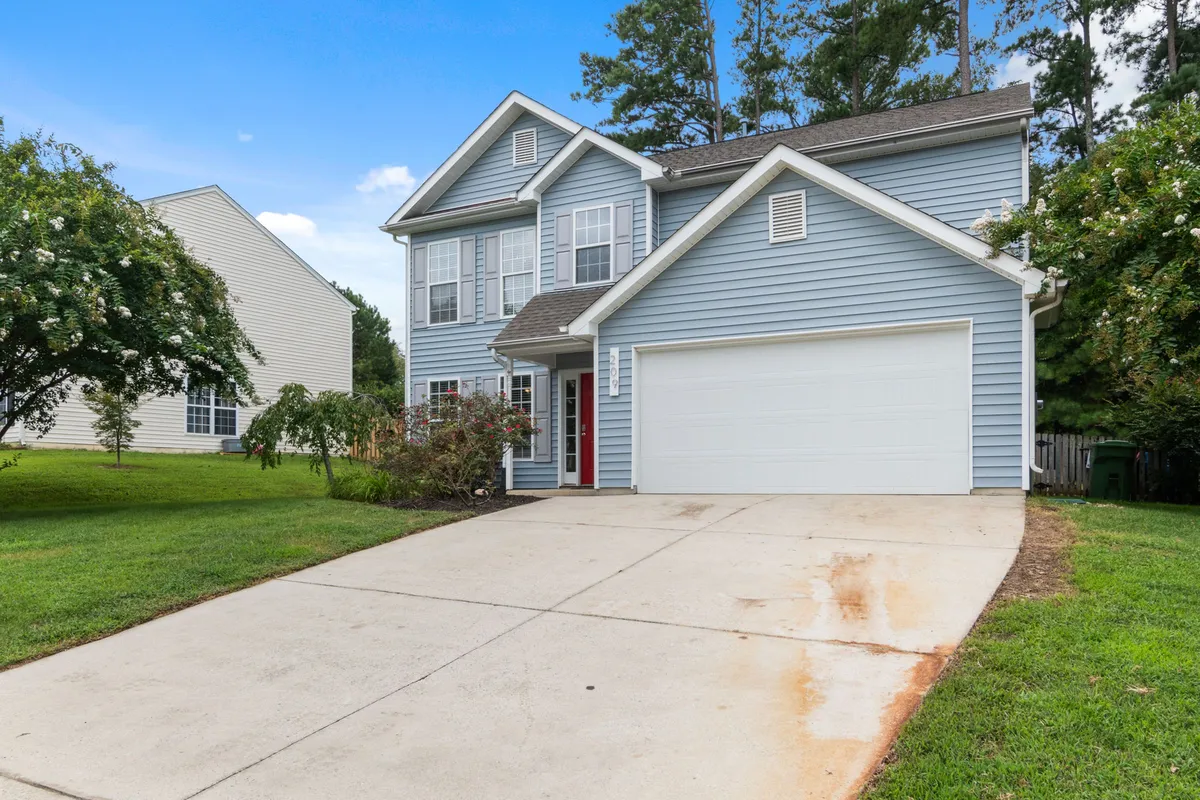
Water damage restoration in Lake Meridian mostly means two-story and split-entry homes from the last quarter of the twentieth century. Lake Meridian is the largest lake in Kent, set on the East Hill, the mostly residential plateau that rises east of the valley floor (Wikipedia). The neighborhoods around it grew as the East Hill filled in, and most of the homes were built between about 1970 and 1999, with a scattering of older houses from the 1940s through the 1960s and newer infill homes built since (listing data, approximate).
That range shows in the streets. Older cottages and ranch homes sit near the shore on smaller lots. The bulk of the area is subdivisions of two-story and split-entry houses with attached garages, built in the building waves of the 1970s, 1980s and 1990s. Newer homes have been added on the remaining lots and where older houses were replaced. Apartments, townhomes and commercial centers sit along the main roads that lead to the lake. In townhomes and condos, units share walls and sometimes floors, so a leak in one unit can reach the neighbor beside or below it. The restoration is the same, but the HOA, both owners and their insurers all need the photos and moisture records, and the HOA documents decide who handles the shared parts of the building.
The lake itself is not the problem. Water damage in Lake Meridian homes comes from inside: from the laundries, bathrooms and water heaters that these house plans place above or beside finished living space. The plans that made these homes practical for growing families, with bedrooms and baths upstairs and the laundry close to them, also put the most water-using rooms directly over kitchens, living rooms and garages. When something fails upstairs, two floors are involved instead of one.
Homes from the 1970s to the 1990s are also old enough for their original plumbing parts to reach the end of their life. Washer hoses, water heater tanks, shower pans, tub seals and the supply lines under sinks have often been replaced at least once, but not always, and the parts that have not been replaced are the ones that fail.
Water Heaters, Washers and Upstairs Leaks
Three sources cause most water damage in Lake Meridian homes, and all three are inside the house.
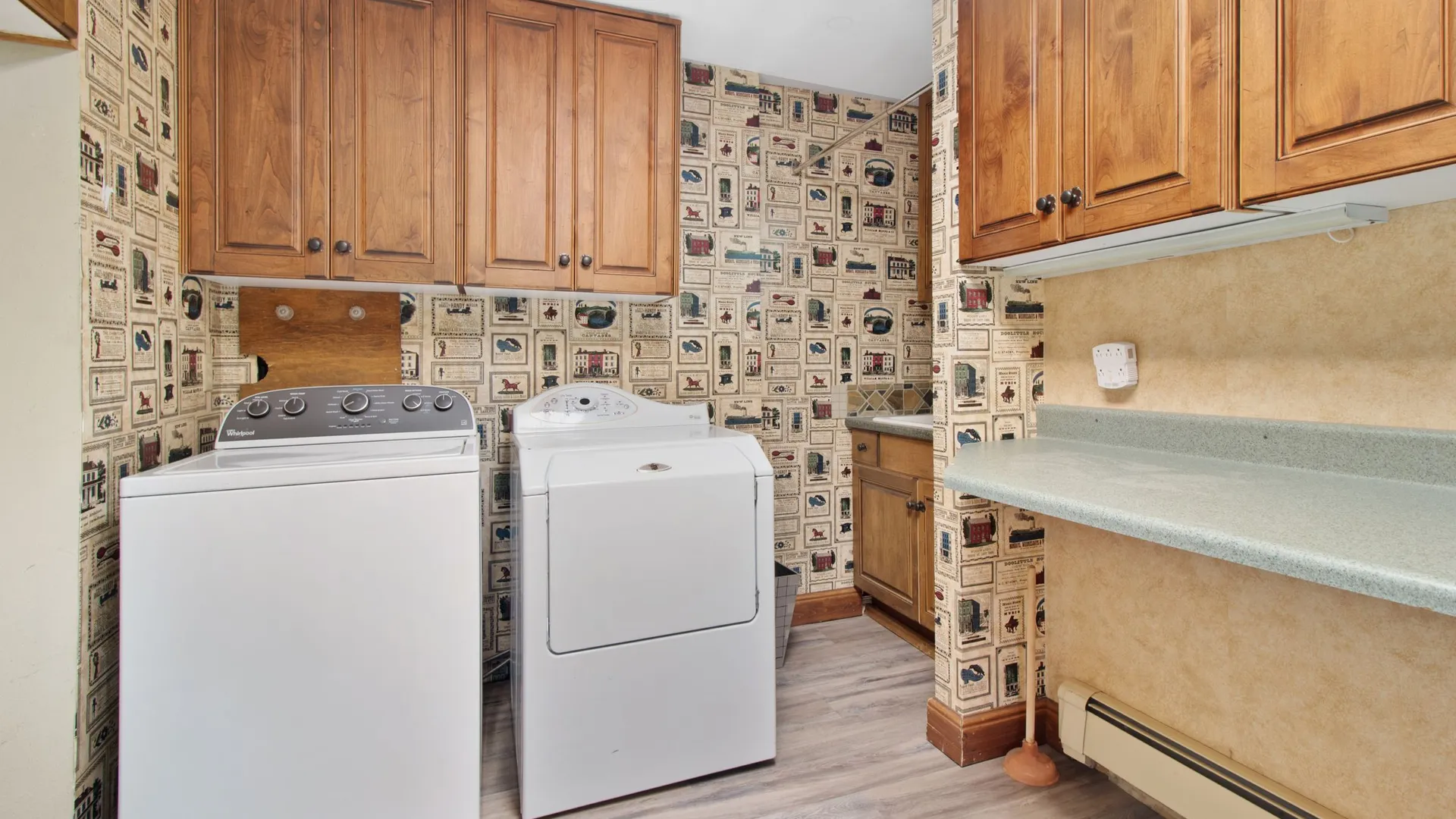
The first is the upstairs laundry. Many two-story homes from the 1980s and 1990s moved the laundry upstairs near the bedrooms. A burst fill hose or an overflowing washer sends water across the laundry floor, through the subfloor and into the ceiling below. Washer overflow water can be gray water, which means wet insulation and ceiling drywall below are removed rather than dried in place (IICRC S500).
The second is the upstairs bathroom. Shower pans, tub surrounds, grout and the supply lines under vanities leak slowly or suddenly into the floor framing. A slow leak shows up as a growing stain on the ceiling below, sometimes weeks after it started; a sudden one comes through the ceiling within hours. Slow leaks are the harder ones to catch: the drywall below can stay firm while the joists and subfloor above it soak for weeks. Loose or cracked tiles on the shower floor, grout that stays dark long after a shower, a soft spot in the floor beside the tub and a faint stain on the ceiling below are the signs to look for. A moisture meter on the ceiling under an upstairs bathroom confirms it before the stain spreads.
The third is the water heater. In split-entry homes, the tank often sits in the garage or a utility room on the lower level, beside the family room. In two-story homes it is usually in the garage. A tank that splits floods the garage or closet and runs into the finished rooms next to it. In a split-entry home that usually means the lower family room, a carpeted space partly below the yard that dries slowly against a cool slab.
Garages add one more pattern. Many two-story homes around the lake have a bedroom or bonus room built over the attached garage. A leak in that room comes through the garage ceiling, which is often fire-rated drywall separating the garage from the living space above. When that ceiling is repaired, it is replaced with the same fire-rated material, because building codes require the separation between a garage and living space to stay intact.
All three share one problem: the water ends up somewhere other than where it started. That is why a Lake Meridian job starts with readings on both floors and in the rooms around the source, not just where the water shows.
Water Damage Services for Two-Story and Split-Entry Homes
Four services fit Lake Meridian homes best, and the rest are available across the area:
- Ceiling water damage: ceilings below upstairs laundries and bathrooms, made safe, dried and refinished.
- Water heater leak cleanup: garage and lower-level tanks that flood the rooms beside them.
- Wet carpet drying: carpeted bedrooms and hallways upstairs and lower family rooms in split-entry homes.
- Structural drying: the subfloor and joists between the floors, dried to the readings.
- Water extraction, burst pipe water damage, crawl space water damage and flood cleanup cover the other common losses.
- Homes, townhomes and condos are covered on the residential properties page, and the commercial centers along the main roads on the commercial properties page.
Restoring Two Levels After an Upstairs Leak
An upstairs leak is restored on both floors at once: the room where the water started and the ceiling where it came out. The work follows the IICRC S500 standard for water damage restoration (IICRC S500).
Before the crew arrives, a few steps help in a two-story home:
- Turn off the washer’s supply valves, the valve under the leaking fixture or the main shutoff.
- Clear people and furniture from under any wet or sagging ceiling below.
- Switch off ceiling lights and fans in the wet area at the breaker.
- Put buckets and plastic under drips, and leave a bulging ceiling alone.
- Photograph the source upstairs and the ceiling and floor below.
- Call the number on this page.
Drying the Room Above
Water on the upstairs floor is extracted first. Carpet and pad in the laundry, bathroom or bedroom are extracted or lifted, and vinyl or tile is checked for water trapped beneath it. Toe-kicks come off vanities and cabinets so air can reach the subfloor under them. Hardwood or engineered wood in upstairs hallways is read along its whole length, because water travels under the boards from the laundry or bathroom doorway.
Opening and Drying the Ceiling Below
Ceiling drywall that sags or reads saturated is brought down safely, and wet insulation in the joist cavity comes out with it. Air movers and dehumidifiers dry the joists and the underside of the subfloor from below while the room above dries from the top. Readings are taken on both sides of the floor every day.
Repairing the Ceiling and the Floor Above
Once both floors read dry, new insulation and ceiling drywall go in, the texture is matched and the ceiling is primed and painted. Upstairs, the subfloor is checked, damaged underlayment is replaced, and the flooring, baseboards and any vanity or cabinet base that swelled are put back. The repair is finished only when both rooms are usable again.
An upstairs laundry is worth a few changes after a leak. A drain pan under the washer, piped to a drain where the plan allows it, catches small overflows before they reach the subfloor. Braided fill hoses last longer than rubber ones, a washer box with quarter-turn valves makes shutting off the water quick, and a battery water alarm on the laundry floor sounds at the first sign of water. None of these stops a burst hose, but each one shortens the time water runs into the ceiling below.
How Quotes Work in Lake Meridian
A quote for a Lake Meridian home covers two levels: the room where the leak started and every room below it that took water. Five things set it: the water category, the square footage on each floor, the ceiling drywall, insulation and flooring that come out, the number of drying days and the texture, paint and flooring repairs. A small stain under a bathroom and a washer that flooded a laundry and the kitchen below are different jobs. Call the number on this page to get a quote.
For insurance, a washer hose or water heater that fails suddenly is the kind of discharge a standard homeowners policy covers; a shower pan that seeped for months is treated as maintenance (Triple-I). Photograph the failed part and both floors before anything is removed, and keep the moisture log that shows when each floor was dry.
FAQ
Frequently Asked Questions About Water Damage Restoration in Lake Meridian
Why does an upstairs washer leak damage the ceiling below?
An upstairs washer sits on a wood subfloor over the ceiling of the room below. When a hose bursts or the drain overflows, water soaks through the subfloor, fills the joist cavity and the insulation, then comes through the ceiling drywall. In two-story Lake Meridian homes, that usually means a living room, kitchen or garage ceiling.
Can a water-damaged ceiling texture be matched?
Usually, yes. Most ceilings in 1970s to 1990s Kent homes are smooth, orange peel, knockdown or popcorn-style texture, and a skilled finisher sprays or hand-applies the same texture over the repair, then primes and paints so the patch blends in. Popcorn ceilings in homes built before the 1980s are tested for asbestos before they are cut (EPA).
How long should drying equipment run after an upstairs leak?
Drying equipment should run until moisture readings in the subfloor above, the joists and the ceiling below all match dry materials of the same kind (IICRC S500). That is days, not hours, and the room above and the ceiling below can finish at different times. Turning the equipment off early leaves water trapped between the floors.