Kent, WA
Crawl Space Water Damage in Kent, WA – Pumped Out and Dried Under the Floor
Water under a raised floor keeps the joists, insulation and subfloor wet long after the rooms above look fine. A local water damage restoration contractor pumps it out, removes wet insulation and vapor barrier and dries the framing with dehumidifiers.
- Serving Kent, WA
- ~40 in.
- of rain a year in Kent (Wikipedia)
- 24-48 hrs
- to dry before mold (EPA)
- Joists + subfloor
- dried with readings
Signs of Water in the Crawl Space
Crawl space water damage in Kent hides under the floor, so the first signs show up in the rooms above. Watch for these:
- A musty or earthy smell near floor registers and baseboards.
- Floors that feel soft, bouncy or uneven, or hardwood that has started to cup.
- Condensation on the inside of windows on cool mornings.
- Insulation hanging loose or fallen between the joists.
- Water or a wet sheen visible through a foundation vent.
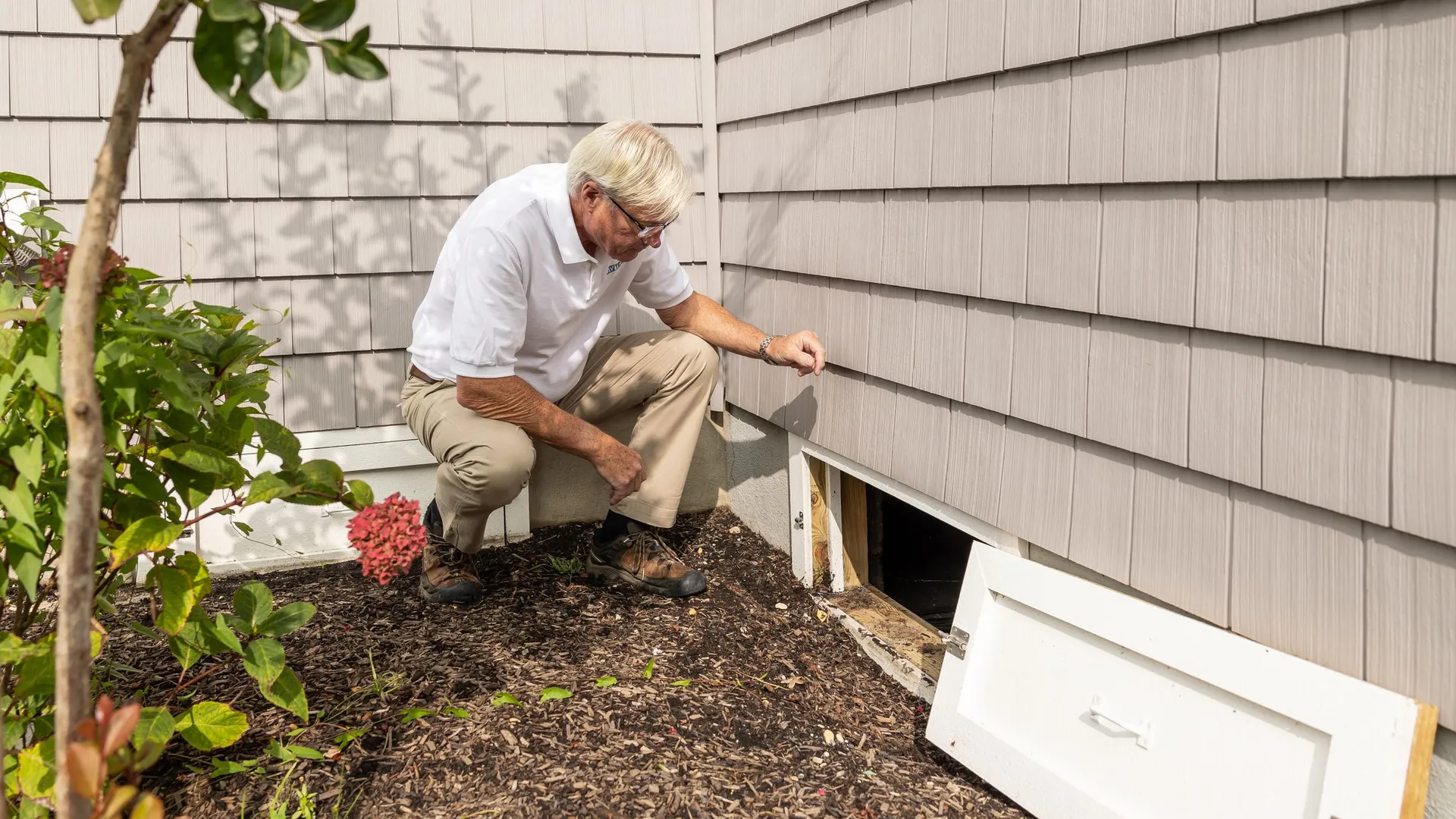
To check, open the crawlspace hatch and look in with a flashlight from the opening. Stay out if there is standing water near wiring or a furnace, or if the space smells strongly of gas or fuel. Photograph what you can see from the hatch, then call the number on this page.
Water under the floor matters even when the rooms above look fine. Air from a crawlspace moves up into the house through gaps around pipes, ducts and floor registers, so a damp crawlspace raises the humidity in the living space and carries its smell with it. Wet joists and subfloor lose strength over time, and the EPA warns that mold grows on wet building materials left wet for more than 24 to 48 hours (EPA). Insulation that sagged with water also stops insulating, which shows up as cold floors and higher heating bills through a Kent winter. The longer the water stays, the more wood has to be dried or replaced.
Where Crawl Space Water Comes From
Water gets under a Kent house from 4 sources, and the source decides what gets fixed and what gets dried. Clean water from a supply line allows the most to be dried in place; groundwater and runoff carry soil and bacteria, so wet insulation and vapor barrier always come out (IICRC S500). Drainage, grading and foundation repair are separate trades; the restoration job is getting the water out and the framing dry.

Leaking Supply Lines Under the Floor
Supply lines to kitchens, bathrooms and laundry rooms run through the crawlspace in most raised-floor homes. A fitting that weeps or a line that splits drips onto the vapor barrier and soaks the insulation above it. Washing machine and dishwasher discharge lines that leak under the floor add gray water (IICRC S500), which means the insulation they touched comes out.
Groundwater and Heavy Rain at the Foundation
Heavy winter rain raises the water table and runs toward foundations that sit low or where the soil slopes toward the house. Water seeps through the foundation wall or comes up through the soil and pools on the barrier. This water is outside water and is handled that way: pumped out, wet materials removed and the framing dried.
Torn or Missing Vapor Barrier
The plastic vapor barrier on the crawlspace floor keeps ground moisture from rising into the framing. When it is torn, bunched up or missing, damp soil releases moisture into the space all year. The joists and subfloor take it on slowly until the floor above softens or the smell reaches the house.
Burst Pipes in an Unheated Crawl Space
A vented crawlspace is open to outside air, so its pipes freeze in a cold snap before any others in the house. A split line under the floor can run for hours unnoticed. The water extraction comes first, then the drying described below.
How a Wet Crawl Space Is Pumped Out and Dried
Drying a crawlspace means drying a damp space that wants to stay damp. The equipment works inside the crawlspace itself, and the readings are taken on the wood, not the air. The work follows the IICRC S500 standard for water damage restoration (IICRC S500).
Step 1: Pump Out Standing Water
Submersible pumps move the standing water out through the hatch or a vent. An extractor takes what the pump leaves on the barrier. Nothing dries while water still stands under the floor.
Step 2: Remove Wet Insulation and Vapor Barrier
Wet fiberglass batts are pulled from between the joists and bagged. The soaked or torn vapor barrier is removed, and debris or wet soil on top of it is cleared. That opens the framing to the air and stops wet material from feeding moisture back in.
Step 3: Dry Joists and Subfloor
Dehumidifiers and air movers run inside the crawlspace, with foundation vents managed so damp outside air stays out. Readings are taken on the joists, beams and the underside of the subfloor each day until they match dry wood elsewhere in the house. Structural drying explains the readings in detail.
Step 4: Replace Insulation and Vapor Barrier
Once the framing reads dry, new insulation goes up between the joists and a new vapor barrier goes down over the soil, lapped at the seams and run up the foundation walls.
Water under the house? Call the number on this page to get the crawlspace pumped out.
Raised-Floor Homes in Older Kent Neighborhoods
Many of Kent’s older homes sit over a crawlspace instead of a slab. Houses in the blocks around downtown and many of the 1960s ranch homes on West Hill were built on raised floors with vented crawlspaces, the standard for Puget Sound homes of that era. Kent gets about 40 inches of rain a year, most of it between October and April (Wikipedia), so those crawlspaces spend half the year in damp air and wet soil. A small supply-line leak that would dry on a slab can stay wet for months under a raised floor. Homes that have been through several wet seasons with a torn barrier or a weeping fitting often show the damage in the floor above first.
When the Problem Is Drainage, Not a Leak
Some crawlspace water comes from the ground, not the plumbing, and drying it out does not stop it coming back. If the water rises every winter after heavy rain, the cause is drainage: gutters that empty against the foundation, soil sloping toward the house, or a high water table. Grading, drainage and foundation waterproofing are separate trades from water damage restoration. The restoration work is getting the water out, the wet materials removed and the joists and subfloor dried, which protects the framing either way. Pumping comes first through water extraction, and the framing drying follows structural drying practice. Raised-floor homes are covered on the residential properties page, and the wider process is on the water damage restoration in Kent page.
For insurance, a burst pipe under the floor is usually a sudden loss; groundwater and slow seepage usually are not (Triple-I). Photograph the water from the hatch before pumping.
How Quotes Work for Crawl Space Damage Jobs
A crawlspace quote is written after someone has been under the floor with a light and a meter. Five things set it: the water category, the square footage of the crawlspace affected, how much insulation and vapor barrier come out, the number of drying days and what is replaced afterward. A weeping fitting over one corner and a crawlspace flooded wall to wall are different jobs. Call the number on this page to get a quote.
Crawl Space Water Damage across Kent, WA
FAQ
Frequently Asked Questions About Water Damage Restoration
Will insurance cover water in a crawl space?
It depends on the cause. A sudden break, such as a burst supply pipe under the floor, is the kind of discharge a standard homeowners policy covers (Triple-I). Groundwater and seepage are treated as maintenance or flood, and flood needs a separate policy (FEMA). Photograph the water before pumping and keep the moisture log.
What is the fastest way to dry out a wet crawl space?
The fastest way to dry a wet crawl space is to pump out the standing water, remove wet insulation and a torn vapor barrier, then run dehumidifiers and air movers inside the crawlspace with the vents managed so damp outside air stays out. Daily readings on joists and subfloor confirm when it is dry (IICRC S500).
What are the signs that my crawl space has water damage?
The signs of crawl space water damage are a musty smell near floor registers, floors that feel soft or bouncy, hardwood that cups, condensation on the inside of windows, insulation hanging loose under the floor and water visible through a foundation vent. Higher-than-normal indoor humidity in winter points the same way.
How much does it cost to fix water in a crawl space?
The cost to fix water in a crawl space is set after an inspection under the floor. The price depends on the water category, the square footage, how much insulation and vapor barrier come out, the drying days and what needs replacing afterward. Call the number on this page to get a quote.
Should wet crawl space insulation be replaced?
Yes, in almost every case. Fiberglass batts that soaked up water sag, lose most of their insulating value and hold moisture against the subfloor, where it feeds mold (EPA). Wet batts are bagged and removed, the framing is dried to the readings, and new insulation goes in after.