Kent, WA
Retail Store Water Damage Restoration in Kent, WA – Stock Protected, Doors Open
Water on a sales floor or in a stockroom threatens inventory, fixtures and trading hours at once. A local water damage restoration contractor sections off the wet area, protects stock, dries floors and walls and repairs the damage around the store's hours.
- Serving Kent, WA
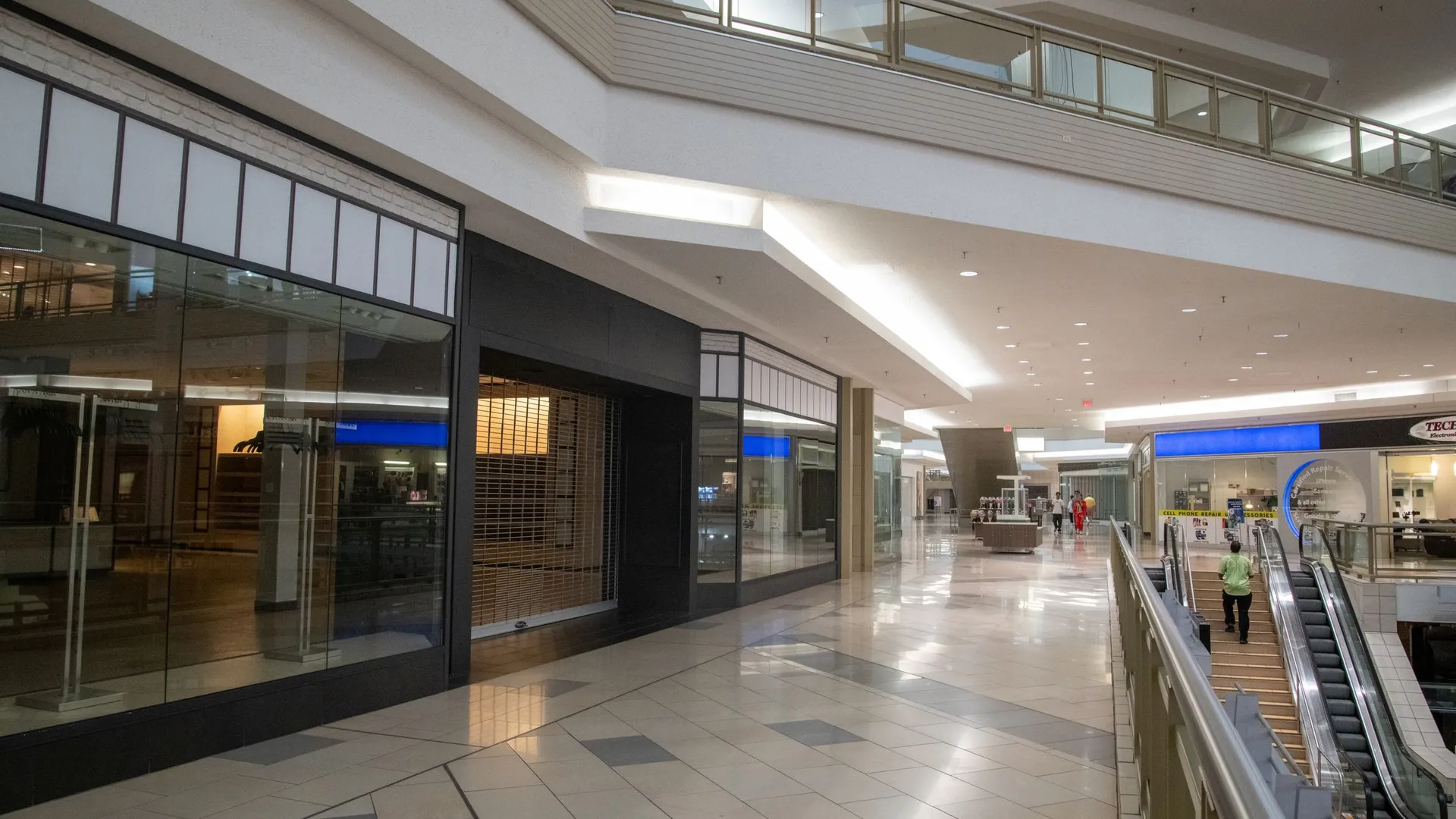
- Stockroom
- and sales floor dried
- Phased
- work around trading hours
- S500
- IICRC drying standard
Why Retail Water Damage Hits Stock and Sales at Once
Retail store water damage restoration in Kent has to protect three things at the same time: the stock, the fixtures and the trading hours. In an office, water damages walls, carpet and a few desks. In a store, the same water soaks cartons on the stockroom floor, runs under display fixtures full of merchandise and closes the aisles customers walk through. Every hour the water sits adds damaged stock to the claim, and every hour a section is closed costs sales. Wet materials left more than 24 to 48 hours can also grow mold (EPA), which turns a drying job into a bigger one and brings smells customers notice. Kent’s stores range from downtown storefronts and East Hill shopping centers to big-box and strip-mall units along the main corridors, many of them leased spaces in larger buildings where the landlord, the tenant and sometimes the neighbors are all affected by the same leak.
The first hour in a wet store follows a short list:
- Shut off the water at the fixture or the unit’s main, and tell the landlord or property manager if the source is in the building’s systems.
- Clear customers and staff from the wet area and tape it off.
- Move stock off the floor and out of the water’s path, starting with the most valuable goods.
- Photograph the source, the wet area, the fixtures and every damaged product line.
- Notify the insurer.
- Call the number on this page to start extraction.
Common Water Sources in Retail Stores
Two kinds of leaks cause most retail water damage in Kent. Water from a supply line is clean water at first, Category 1, while roof and storefront water that ran through insulation and debris is handled as contaminated (IICRC S500).
Roof and Storefront Leaks
Flat roofs over retail strips and shopping centers drain through roof drains that clog in long winter storms, and water finds its way through seams, rooftop units and skylights onto the sales floor. Storefront glass and door thresholds let wind-driven rain in at floor level. Roof and storefront repairs are separate work, often the landlord’s; the restoration job is the water inside the store.
Restroom and Back-of-House Supply Lines
Restroom sinks, break-room appliances, water heaters and supply lines in the back of the store fail at fittings and hoses, often overnight when nobody is there. The water spreads through the stockroom first, soaking cartons on the floor and bottom shelves, then runs under the stockroom wall onto the sales floor.
Larger stores and big-box units add fire sprinkler lines, which can release a lot of water quickly when a head is struck by a ladder or a stock cart, or when a line freezes near a loading door in a cold snap. Once the building’s fire-safety plan has the zone shut down, the water across the floor and on the merchandise below the head needs extraction right away, before it spreads under the fixtures in the neighboring aisles.
Drying a Retail Store While It Stays Open
Most stores keep trading during the drying, so the work is planned around the sales floor. The work follows the IICRC S500 standard (IICRC S500).
Sectioning Off the Sales Floor
The wet section is taped off or sealed with plastic containment, depending on how much dust the work will make. Drying equipment stays inside it, cords are routed away from customer paths, and signs explain the closed section. Loud or dusty work, such as cutting drywall or pulling flooring, can be scheduled before opening or after closing where the contractor offers it, while the drying itself runs around the clock.
Protecting Fixtures and Inventory
Gondolas, wall fixtures and display tables sit on the wet floor and trap water underneath. Merchandise is moved off the bottom shelves, and fixtures are lifted or shifted so air can reach the floor below them. Particleboard fixture bases that swelled are noted for replacement. Wet stock is staged in a dry area, photographed and kept apart from dry stock so nothing gets mixed back into sale.
Soft goods need speed. Clothing, shoes, bedding, books and paper products that took water start to smell and can grow mold within a day or two in a warm store (EPA), so the decision about what to keep is made quickly, with the insurer’s approval, before it spoils the dry stock around it. Seasonal and high-value merchandise moves first, because its value drops fastest the longer it is off the floor.
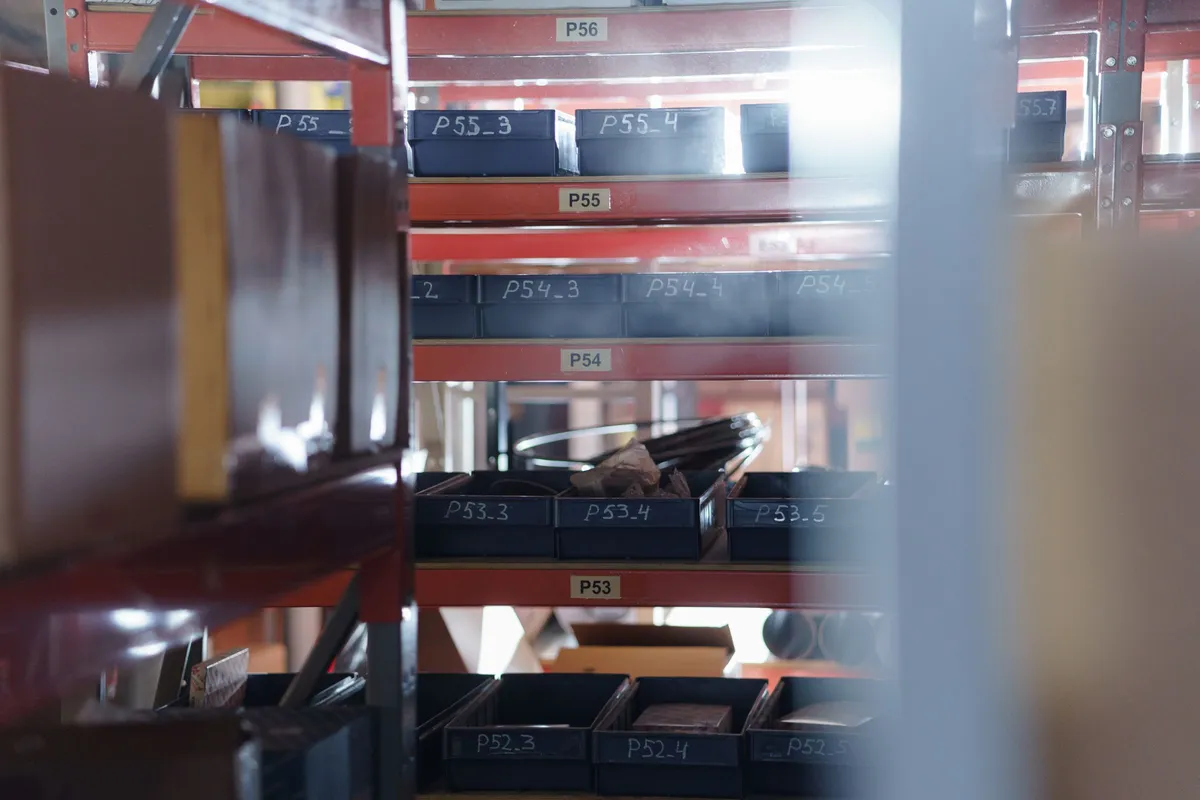
Retail Store Water Damage Services Used Most
Three services carry most retail water damage jobs. Water extraction comes first, because standing water across a sales floor and stockroom spreads under fixtures and into cartons every minute it sits. Structural drying covers the walls, the subfloor or slab and the fixture bases, with readings that show when each section can reopen. Ceiling water damage matters in stores with drop ceilings and flat roofs, where a roof leak stains tiles and drips onto merchandise below. The overview of every service is on the water damage restoration in Kent page.
Tenant Spaces, Landlords and Store Insurance
In a leased store, the lease decides who handles which part of the water damage. Most shopping-center and strip-mall leases put the building shell, roof and shared plumbing on the landlord’s policy, and the tenant’s improvements, fixtures and inventory on the tenant’s own policy (Triple-I). A business owners policy usually covers sudden water such as a burst supply line, and business income coverage can pay lost sales and ongoing expenses while part of the store is closed (Triple-I). A leak that built up slowly counts as maintenance, and storm water from outside falls under flood, which takes its own policy (FEMA).
Report the water to the landlord and both insurers on the first day, and share the same set of records with each:
- Photos of the source, the wet area and damaged stock, taken before cleanup.
- An inventory list of damaged goods with quantities and cost.
- Sales records for the same period in earlier months.
- The contractor’s moisture map, daily drying log and written scope.
Neighboring tenants on the same slab or under the same roof may have water too. Telling the landlord quickly lets the whole building be checked at once.
Before work starts, four questions are worth asking any restoration contractor working in a store: Will the wet section be contained so the rest of the floor can trade? Will moisture be read daily and logged by area? Can loud work be scheduled outside trading hours? And does the contractor hold a current Washington L&I registration (WA L&I)? Clear answers keep the store open, the drying measured and the records ready for two insurers.
How Quotes Work for Retail Stores
A retail quote is written after the sales floor, stockroom and walls are read and the store’s hours are understood. Six things set it: the water category, the square footage of sales floor and stockroom affected, the flooring, drywall and fixture bases removed, the drying days, the containment needed and any work scheduled outside trading hours. A wet stockroom corner and a roof leak across the whole sales floor are different jobs. Call the number on this page to get a quote for your store.
Retail Stores across Kent, WA
FAQ
Frequently Asked Questions About Water Damage Restoration
How expensive is it to repair water damage?
The cost to repair water damage in a store is set after an inspection of the sales floor, stockroom and walls. The price depends on the water category, the square footage affected, the flooring and drywall removed, the drying days and any work timed outside trading hours. Call the number on this page to get a quote.
Can a store stay open during water damage restoration?
Most stores stay open. The wet section is taped off or contained, stock and fixtures are moved out of it, and drying equipment runs inside while the rest of the floor trades. Loud work such as cutting drywall can be scheduled before opening or after closing where the contractor offers it.
Who is responsible for water damage in a leased retail space?
The lease decides. In most shopping-center and strip-mall leases, the landlord's policy covers the building shell, roof and shared systems, and the tenant's policy covers its improvements, fixtures and inventory (Triple-I). Report the water to the landlord and both insurers right away, and share the same photos and moisture records with each.
What happens to wet store inventory?
Wet inventory is moved out of the water, photographed with labels and quantities visible and set aside for the insurer before anything is discarded. Packaged goods with wet cartons are often repacked; soft goods, paper products and anything that soaked up gray or outside water are usually written off. The owner and insurer decide.