Kent, WA
Medical Office Water Damage Restoration in Kent, WA – Care Continues Around the Work
When water reaches a medical or dental office, patient areas have to stay safe and usable. A local water damage restoration contractor contains the wet area, dries it around equipment and repairs it, with documentation for the practice and its insurer.
- Serving Kent, WA
- Containment
- keeps patient areas separate
- 24-48 hrs
- to dry before mold (EPA)
- Records
- for the practice and insurer
Why Water Damage in a Medical Office Needs Containment
Medical office water damage restoration in Kent has one extra rule: the patient areas next door have to stay clean and usable. In a house, the wet room can sit open while the drying runs. In a clinic, dental office, physical therapy suite or senior care space, the rooms beside the wet area are full of patients, some of them older, pregnant or recovering from illness. Drywall dust, the musty air released from wet materials and the noise of drying equipment cannot be allowed to drift into exam rooms and waiting areas. Mold is part of the concern too: wet materials left more than 24 to 48 hours can grow it (EPA), and mold spores in the air are a particular problem for people with asthma or weakened immune systems (EPA).
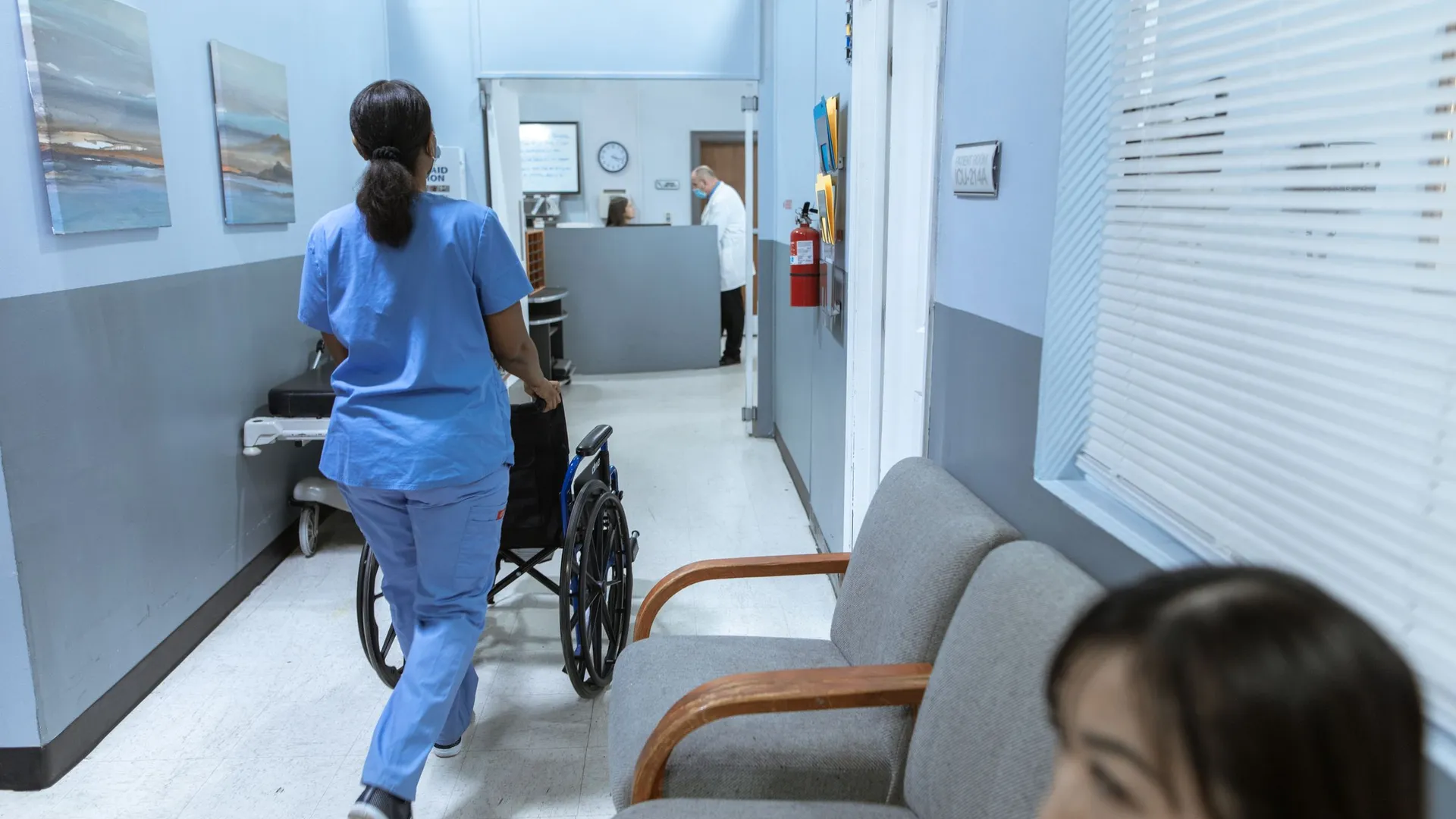
That is why medical office jobs start with containment, not with drying. The wet area is sealed off from the rest of the practice before anything is cut or moved, and the air inside the sealed area is filtered and kept at lower pressure, so dust and moisture stay in. Patients and staff are routed around the work, and the practice decides which rooms close and which stay open. The work itself is the same water damage restoration used anywhere else, extraction, drying with readings and repairs, carried out in a way that respects how a medical office operates.
The first hour in a clinic with water on the floor follows a short list:
- Shut off the water at the fixture, the equipment valve or the suite’s main.
- Move patients and staff out of wet rooms and away from outlets, equipment cords and floor-standing devices in the water.
- Switch off and unplug equipment in wet rooms only where it is safe to reach.
- Move paper records, supplies and portable equipment to a dry room under staff control.
- Photograph the source, each room and any wet equipment.
- Call the number on this page to start containment and extraction.
Common Water Sources in Clinics and Dental Offices
Medical and dental offices have more water lines per square foot than most businesses, and two kinds of leaks cause most of the damage. Water from a supply line is clean water at first, Category 1, which gives the best chance of drying materials in place when work starts quickly (IICRC S500).
Sink, Sterilizer and Dental Water Lines
Every exam room has a sink, sterilization rooms have water-fed sterilizers, and dental operatories have water lines running to each chair. Supply lines and fittings under sinks and behind equipment fail without warning, and the water runs under cabinetry and into the next room. Small rooms with many lines mean a single leak can reach several treatment rooms through shared walls and flooring.
Roof and HVAC Leaks Over Treatment Rooms
Many Kent clinics sit in one- and two-story office buildings with flat roofs and rooftop or ceiling-mounted HVAC units. During winter storms, roof leaks and clogged condensate lines drip into drop ceilings above exam rooms, labs and waiting areas. Ceiling tiles stain, sag and fall, and the water reaches equipment and counters below. Roof and HVAC repair are separate work; the restoration job is the water inside.
How Medical Office Drying Works While Patients Are Seen
Drying in a working clinic follows the IICRC S500 standard (IICRC S500), with containment and scheduling layered on top.
Containment Barriers and Negative Air
Floor-to-ceiling plastic walls with a zippered door seal the wet area. HEPA air scrubbers run inside, filtering the air and venting it so the containment stays at lower pressure than the clinic around it. Any air leak then flows into the work area, not out of it. Drywall that has to come out is cut inside the containment and bagged there, and the floors outside the zone are protected along the crew’s path.
Drying Around Equipment and Records
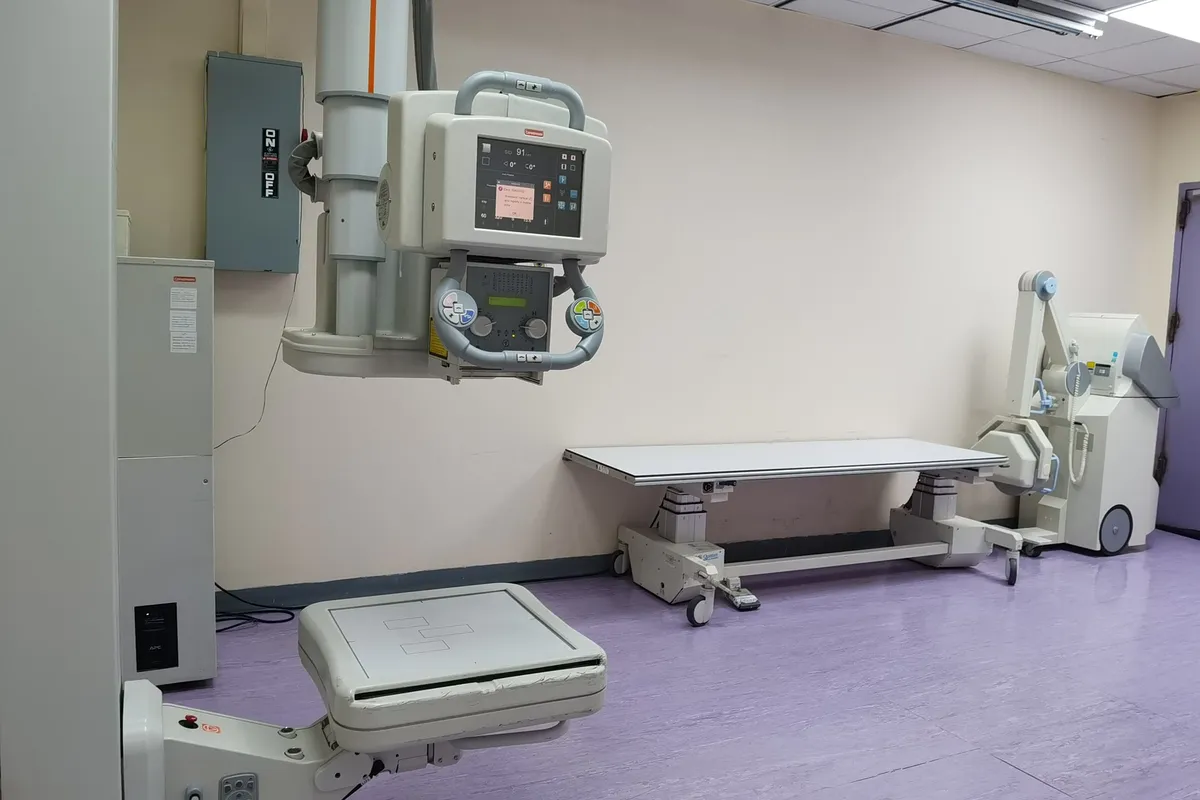
Exam tables, dental chairs, imaging equipment and computers are often fixed in place or too delicate to move far. Drying equipment is placed around them, and covers protect them from dust. Paper patient records stay in the practice’s custody: staff move or secure them, and the crew works around them. The practice decides which equipment is serviced or checked by its own vendors before it is used again.
Scheduling holds it together. A daily update to the practice manager lists the rooms still drying, the readings and the rooms ready to reopen, so the front desk can book around the work. Loud tasks such as cutting drywall or pulling flooring can be set for early mornings, evenings or days the clinic is closed, where the contractor offers it, and the equipment inside the containment keeps drying around the clock.
Senior care spaces, physical therapy clinics and dental offices follow the same approach with their own pressure points. Residents who cannot easily move need the containment to keep noise and air movement away from their rooms, therapy gyms need their open floor back quickly, and dental operatories need their water-fed equipment checked before patients return.
Healthcare Facility Water Damage Services Used Most
Three services make up most water damage work in Kent medical and dental offices. Structural drying matters most, because clinic walls are full of plumbing and wiring, and a wall cavity that stays wet behind an exam room is the main mold risk. Ceiling water damage covers the drop-ceiling and roof leaks that land on treatment rooms and waiting areas. Water extraction comes first on every job, because the faster standing water is out of the flooring under cabinetry and equipment, the smaller the area that has to be contained. The overview of the full process is on the water damage restoration in Kent page.
Documentation for the Practice and Its Insurer
A medical practice claim needs records from two sides: the practice and the restoration contractor. Most practices carry a business owners policy or a commercial property policy, which covers sudden water such as a burst supply line, and business income coverage that can pay lost income and ongoing expenses while rooms are out of use (Triple-I). A slow leak that went on for months is treated as maintenance, and outside floodwater needs a separate flood policy (FEMA).
The practice keeps:
- Photos of the source, each affected room and damaged equipment, taken before cleanup.
- A list of rooms closed and the dates, with cancelled or moved appointments.
- Revenue and payroll records for the closure period and the same months before it.
- Receipts for extra costs, such as moving equipment or temporary space.
The contractor provides the moisture map, the daily drying log by room, the containment and removal scope, and the written repair quote. Leased spaces add the landlord’s policy, which usually covers the building shell, while the practice’s own policy covers its improvements and equipment. Share the same set of records with every insurer involved, and keep copies together so the claim does not stall waiting on paperwork.
Before work starts, ask four questions of any contractor working in a medical office: Will the wet area be contained with negative air and HEPA filtration? Will moisture be read daily and logged by room? Will patient records stay under staff control throughout? And is the contractor registered with Washington L&I (WA L&I)? Clear answers mean the drying will be measured, the clinic protected and the paperwork ready for the insurer.
How Quotes Work for Healthcare Facilities
A medical office quote is written after the wet rooms are read and the practice’s schedule is understood. Six things set it: the water category, the square footage affected, the materials removed, the containment and air filtration needed, the drying days and any work scheduled outside clinic hours. A leak under one exam room sink and a roof leak over a full wing are different jobs. Call the number on this page to get a quote for your practice.
Healthcare Facilities across Kent, WA
FAQ
Frequently Asked Questions About Water Damage Restoration
Can a medical office stay open during water damage repairs?
Many medical and dental offices stay open. The wet rooms are sealed behind plastic containment with HEPA air scrubbers, patients are routed around the work, and the drying runs inside the containment until moisture readings match dry materials (IICRC S500). Loud work can be scheduled outside clinic hours where the contractor offers it.
How is water damage contained in a clinic?
Water damage in a clinic is contained with floor-to-ceiling plastic barriers and a zippered door around the wet area, plus HEPA air scrubbers that keep the air inside the containment at lower pressure than the clinic around it. Dust and moisture stay inside while drying and removal go on.
Who documents water damage for a medical practice insurer?
The practice and the restoration contractor document it together. The practice photographs the source, rooms and damaged equipment and lists closed rooms and cancelled appointments. The contractor provides the moisture map, daily drying logs and written scope. Sudden water is usually covered; slow leaks and outside flood are not (Triple-I).