Kent, WA
Ceiling Water Damage Repair in Kent, WA – Dried Above, Repaired Below
Water coming through a ceiling has already soaked the cavity above it. A local water damage restoration contractor brings down sagging drywall safely, dries the floor above and the ceiling cavity, then repairs and refinishes the ceiling.
- Serving Kent, WA
- 2
- rooms damaged by every upstairs leak
- 24-48 hrs
- to dry before mold (EPA)
- Readings
- decide when repairs start
What to Do When Water Drips From a Ceiling
Ceiling water damage repair in Kent starts with getting people out from under the wet spot. Water in a ceiling adds weight fast, and soaked drywall can let go all at once. These steps keep the damage and the risk down:
- Stop the source upstairs. Close the valve on the sink, tub or washing machine above the stain, or shut off the main.
- Clear the area below. Keep people and pets out from under a sagging section and move furniture and rugs away.
- Catch the drip with a bucket and towels, and lay plastic over the floor.
- Switch off ceiling lights and fans in the wet area at the breaker, and leave fixtures alone.
- Never poke a bulging ceiling while standing under it. The water and wet drywall come down together.
- Call the number on this page to have the ceiling made safe and dried.
A ceiling shows water before it drips. Watch for these signs under bathrooms, laundries and attic equipment:
- A yellow or brown ring that grows or darkens over a few days.
- Paint that bubbles, peels or hangs in a pocket.
- Drywall seams or nail heads that show through the paint.
- A soft spot that gives when pressed with a broom handle from the side.
- A musty smell in the room below an upstairs bathroom.
Common Sources of Water Through a Ceiling
Water reaches a ceiling from 4 common sources in Kent homes, and the source decides what gets opened. Clean water from a supply line gives the best chance of drying the ceiling in place; gray water from a washing machine discharge means more comes out (IICRC S500).
Upstairs Bathrooms and Showers
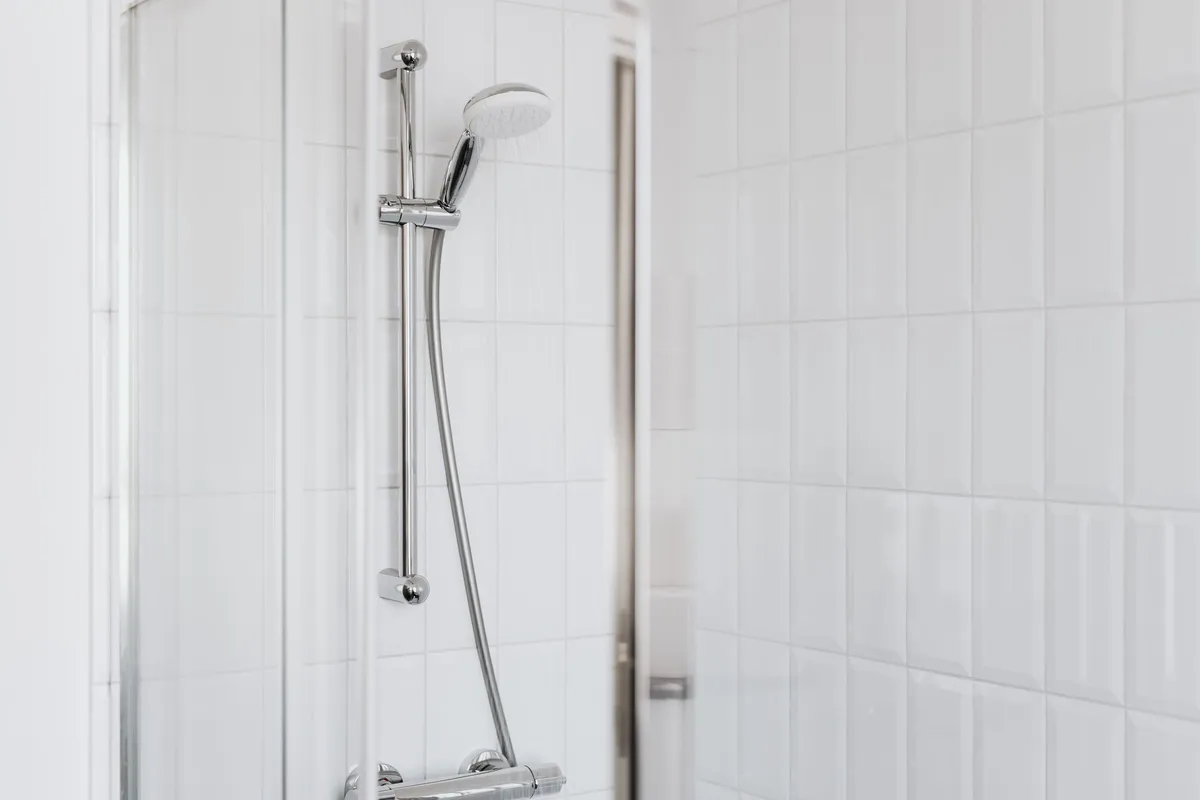
A failed shower pan, cracked grout, a worn tub seal or a leaking supply line under the vanity sends water into the floor framing. The stain shows on the ceiling below, often days later. The crew opens the ceiling under the bathroom to dry the joists and checks the subfloor from below.
Upstairs Laundry Rooms
A burst washing machine hose or a clogged drain pan floods an upstairs laundry quickly. Washing machine discharge is gray water (IICRC S500), so wet insulation and ceiling drywall below are removed rather than dried in place. The subfloor under the machine is dried and checked.
Roof Leaks in Winter Storms
Wind-driven rain gets under damaged shingles, flashing and vents during winter storms. The water soaks attic insulation, then the ceiling drywall below it. The crew removes wet insulation, dries the ceiling and framing, and leaves the roof repair to a roofer, because that is separate work.
HVAC Condensate Lines
An air handler or furnace in an attic or upstairs closet drains condensate through a small line. When the line clogs or the pan overflows, water drips into the ceiling below a little at a time. The ceiling cavity is dried and the stained drywall replaced once readings confirm dry.
How a Wet Ceiling Is Taken Down, Dried and Rebuilt
A wet ceiling is repaired from the top down: the floor above and the cavity dry first, the drywall goes back last. The work follows the IICRC S500 standard for water damage restoration (IICRC S500).
Step 1: Make the Ceiling Safe
The crew punctures a sagging section from the side to drain the water into a container, then cuts out drywall that has lost its strength. Wet insulation comes down with it. The room below is covered in plastic to contain the debris.
Textured “popcorn” ceilings in homes built before the 1980s can contain asbestos, and the EPA advises testing before the material is disturbed (EPA). In older Kent homes, a sample is taken before any textured ceiling is cut, so the removal follows the right precautions if the test comes back positive.
Step 2: Dry the Cavity and the Floor Above
Air movers and dehumidifiers dry the open joist cavity and the subfloor above it. Upstairs, flooring that took water is lifted or dried in place. Moisture readings are taken on the joists and subfloor every day.
Step 3: Replace Drywall and Insulation
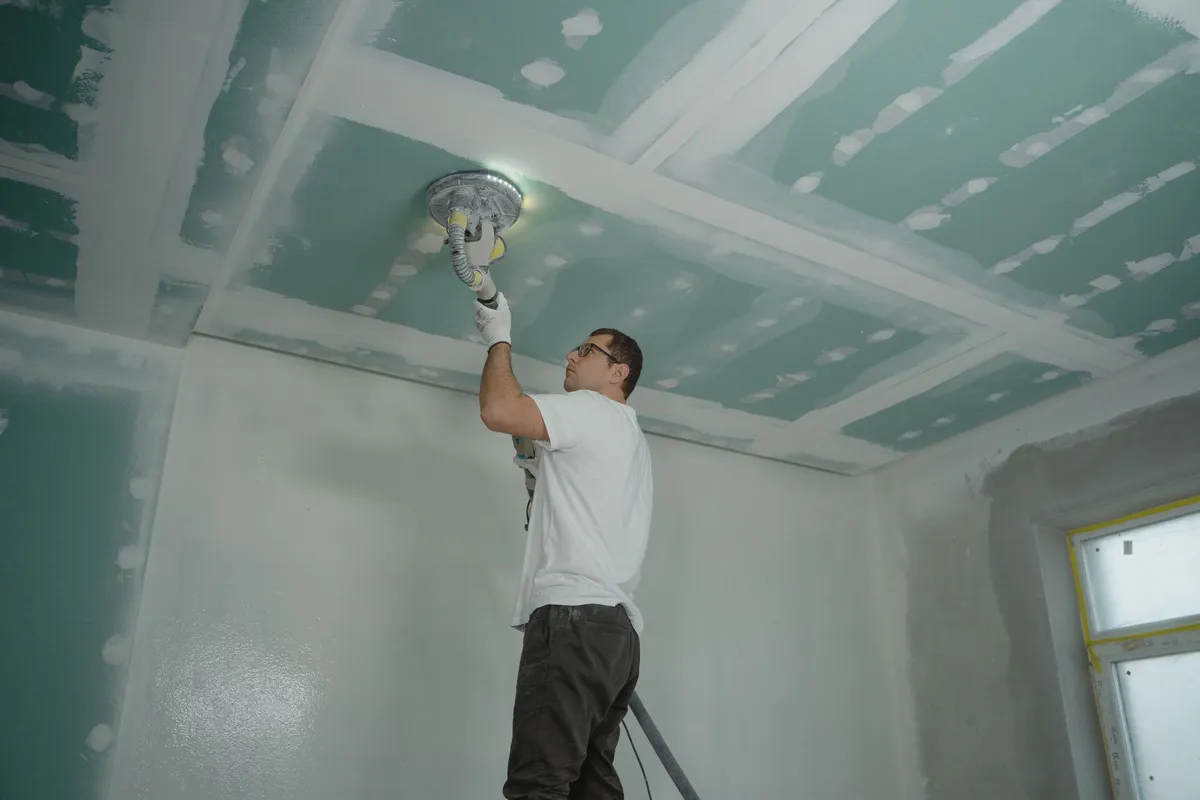
When the readings match the dry reference, new insulation goes into the cavity and new drywall is hung, taped and mudded to the surrounding ceiling.
Step 4: Match the Texture and Paint
The repaired area is textured to match the rest of the ceiling, whether smooth, orange peel or popcorn-style, then sealed with a stain-blocking primer and painted so the patch disappears.
Water still coming through the ceiling? Call the number on this page to have it made safe.

Two-Story and Split-Entry Homes on the East Hill
Much of Kent’s East Hill, including the neighborhoods around Lake Meridian, was built out with two-story and split-entry homes from the 1970s through the 1990s. In those layouts the bathrooms and often the laundry sit directly over a living room, family room or kitchen. Every upstairs leak damages two rooms: the one where the water started and the one under it. Split-entry homes add a second pattern, with the upper-level kitchen and bath sitting over a lower family room that is partly below grade and slow to dry. Homes of that age also carry original supply lines, shower pans and tub seals, which are the parts that fail first.
Ceiling Stains That Come Back
A ceiling stain that returns after it was painted means the cavity above was never dried. Paint seals the surface, but the joists, the subfloor and the insulation above still hold water, and it bleeds back through within weeks. Mold can grow in that closed cavity without any sign below (EPA). The fix is to open, dry to the readings, then repair. If the water came from a supply line, see burst pipe water damage; if the joists and subfloor took a lot of water, structural drying explains how they are dried. Roof leaks need the roof repaired as separate work before the ceiling is closed up. Multi-room buildings such as hotels see the same problem floor to floor, and residential properties see it under every upstairs bathroom. The full process sits on the water damage restoration in Kent page.
For insurance, the cause decides the claim. A sudden leak from a burst supply line or a failed washing machine hose is the kind of discharge a standard homeowners policy covers; a shower pan that seeped for months is treated as maintenance (Triple-I). Photograph the stain, the opened cavity and the source before repairs, and keep the moisture readings that show when the ceiling was dry.
How Quotes Work for Ceiling Damage Jobs
A ceiling quote covers two rooms: the ceiling below and the floor above where the water started. Five things set it: the water category, the area of ceiling and floor affected, how much drywall and insulation come out, the drying days and the texture and paint work. A small stain under a sink and a collapsed ceiling under a laundry room are different jobs. Call the number on this page to get a quote.
Ceiling Water Damage across Kent, WA
FAQ
Frequently Asked Questions About Water Damage Restoration
How much does it cost to fix a ceiling with water damage?
The cost to fix a water-damaged ceiling is set after an inspection of the ceiling, the cavity and the floor above. The price depends on the water category, the area affected, how much drywall and insulation come out, the drying days and the texture and paint work. Call the number on this page to get a quote.
How do I repair a ceiling that has been damaged by water?
Repairing a water-damaged ceiling runs in order: stop the leak, remove drywall that sags or crumbles, pull out wet insulation, dry the joists and the floor above until moisture readings match dry materials, then hang new drywall, match the texture and paint (IICRC S500). Patching before the cavity is dry brings the stain back.
Do you have to replace a ceiling after water damage?
Not always. A ceiling that took a small amount of clean water and stayed firm can often be dried in place and repainted with a stain-blocking primer. Drywall that sags, crumbles or stayed wet for days is replaced, along with the wet insulation above it. Moisture readings decide which sections stay.
Is a sagging wet ceiling dangerous?
Yes. Wet drywall loses strength and can drop without warning, along with the water and wet insulation it holds. Keep people and pets out from under the sag, switch off any light fixture in the wet area and do not poke the bulge while standing under it. Call to have it brought down safely.
Can a water-stained ceiling just be painted?
Only after the cavity above is dry. Paint over a wet ceiling traps the moisture, the stain bleeds back through within weeks, and mold can grow out of sight (EPA). Once readings confirm dry, a stain-blocking primer seals the mark and regular ceiling paint goes on top.