Kent, WA
Warehouse Water Damage Restoration in Kent, WA – Docks, Slabs and Stock Protected
Water in a warehouse spreads across open slabs, under racking and around stock. A local water damage restoration contractor extracts it with high-capacity equipment, dries the slab and walls, and phases the work so docks and aisles stay in use.
- Serving Kent, WA
- Valley
- industrial and distribution base (Wikipedia)
- Slab
- concrete dried with readings
- Phased
- work keeps docks open
Why Warehouse Water Damage Spreads So Far
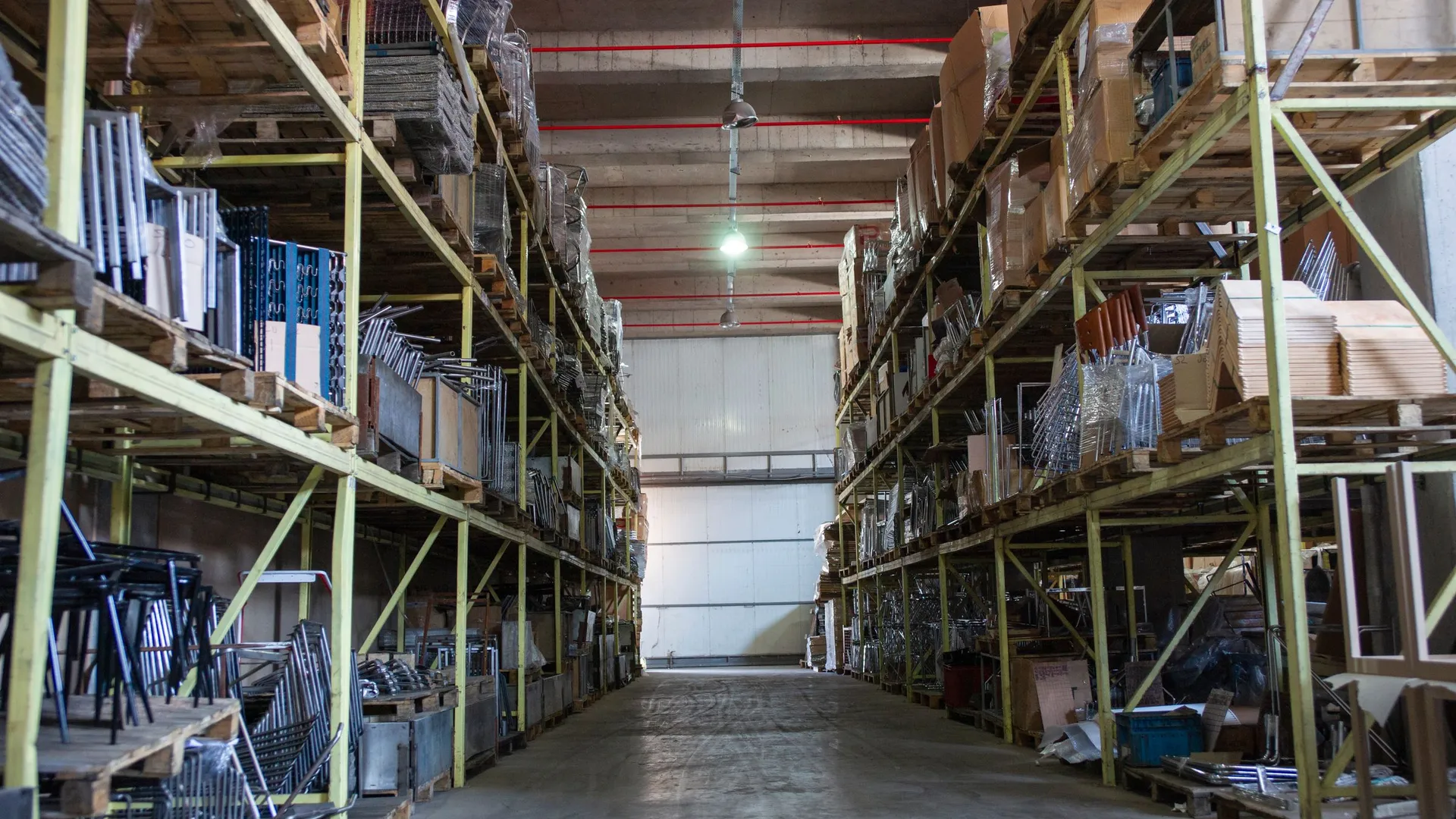
Warehouse water damage restoration in Kent starts with a simple problem: there is nothing to stop the water. A warehouse floor is one large slab with few walls, so water from a single sprinkler head or roof drain runs in every direction until it finds a low spot, a dock door or the base of a wall. It flows under pallet racking and soaks the bottom layer of every pallet in its path. The Kent valley floor holds one of the region’s largest concentrations of warehouses and distribution centers (Wikipedia), and their size is exactly what makes a leak expensive: a few inches of water across tens of thousands of square feet is a big extraction job before any drying begins.
The first hour in a wet warehouse follows a short list:
- Shut the water off at the source, following the building’s fire-safety plan if a sprinkler zone is involved.
- Clear people and powered equipment out of standing water, and keep forklifts out of flooded aisles.
- Move dry stock out of the water’s path and wet pallets to a staging area.
- Photograph the source, the water spread and every affected rack bay.
- Notify the property manager, the landlord if the building is leased, and the insurer.
- Call the number on this page to start extraction.
Fire Sprinkler Line Failures
Fire sprinkler systems carry a lot of water at high pressure. A cracked fitting, a damaged head hit by a forklift mast or a line that froze in an unheated section can release water across a large area within minutes. Once the building’s own fire-safety plan has the zone shut down, the water already on the floor needs extraction right away, before it reaches stock in neighboring aisles.
Roof Drains and Skylights in Heavy Rain
Flat warehouse roofs rely on drains and scuppers to move rain off. During long winter storms, a clogged drain lets water pond on the roof until it finds a seam, a skylight or a roof penetration, and it rains down inside onto racking and stock. Roof repair is separate work; the restoration job is the water inside the building. Roof leaks are often found late, because the water runs along beams and drips far from where it entered, so readings across the whole area under the roof are taken before anyone decides how far the damage reaches.
Protecting Stock and Racking in a Wet Warehouse
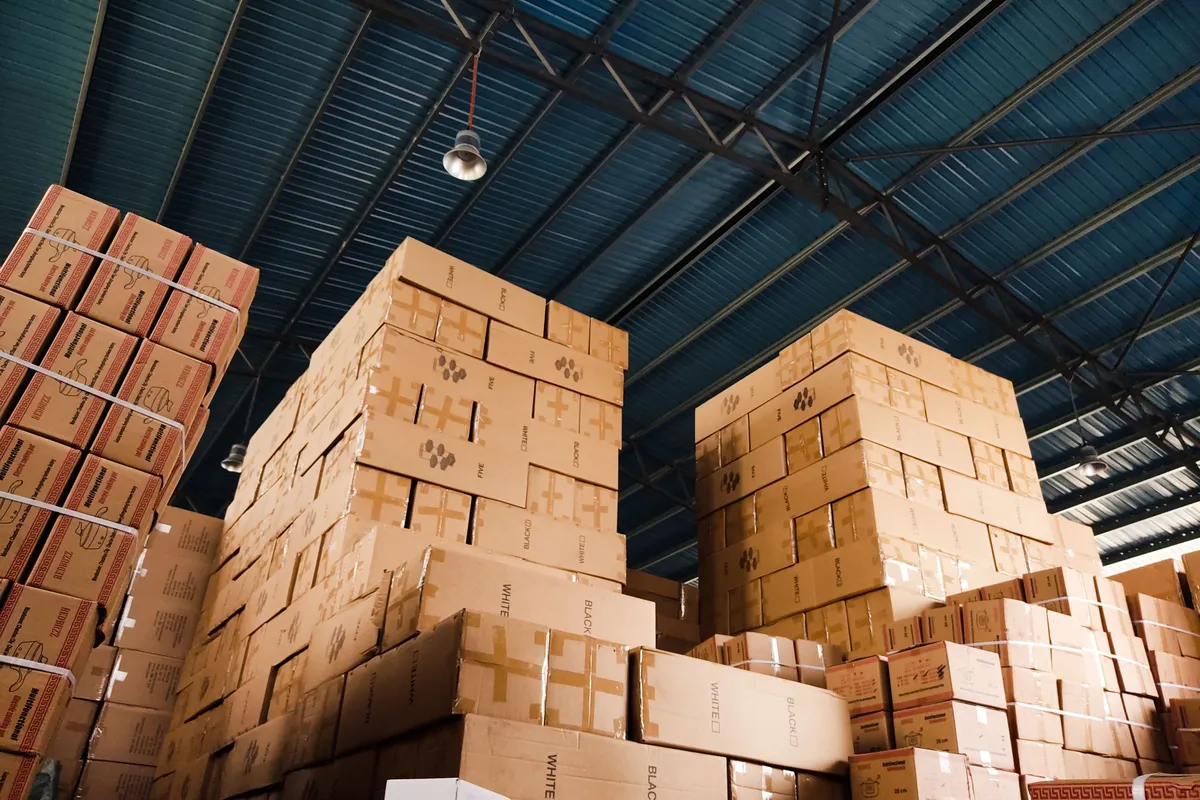
The first job in a wet warehouse is getting stock off the floor and away from the water. Pallets on the floor and the bottom rack level take the water first. Forklift operators move dry pallets out of the path of the water and wet pallets to a staging area where they can be photographed and assessed. Cardboard packaging wicks water upward and loses strength, so a wet bottom layer can collapse a stacked pallet. Keep a record as stock moves: photographs with labels and lot numbers visible, a list of what was wet and where it went, and any temperature-sensitive goods noted. Product decisions belong to the owner and the insurer, so nothing is discarded until they have seen it or approved it. Steel racking itself is cleaned and dried in place, but base plates and anchors that sat in water are checked for corrosion afterward. Wood pallets that soaked up water are set aside, because they dry slowly and can grow mold in the stack.
How Warehouse Floors and Walls Are Dried
A warehouse dries in zones, with the slab, the walls and any office build-outs each on their own schedule. The work follows the IICRC S500 standard for water damage restoration (IICRC S500).
Concrete Slab Drying
Concrete takes on water slowly and gives it back slowly. After extraction, high-capacity dehumidifiers and air movers work on the slab zone by zone, and readings are taken at marked points across the floor. In large, cold buildings, desiccant dehumidifiers dry the air more efficiently than standard units. Sealed or epoxy-coated floors and any flooring in office areas go back down only after the slab reads dry. Coatings, sealers and flooring adhesives laid over a wet slab can blister, lift or fail to bond, so the final slab readings are part of the record handed to whoever reinstalls the floor. Dock pits and trench drains, the lowest points on most floors, are extracted and dried along with the slab, because water sits in them long after the main floor clears.
Insulated Walls and Office Build-Outs
Most warehouses have an office block, break room and restrooms built inside the shell, with drywall, insulation and carpet that act like a small office building. Those rooms take water from the warehouse floor through the base of the walls. Drywall and insulation are read and, where needed, cut out above the wet line, then dried. Insulated metal panels and the base of tilt-up concrete walls are checked along the perimeter, where water collects.
Keeping Docks and Aisles Running During Warehouse Restoration
Most warehouses keep shipping while the restoration runs. The wet zone is taped off or contained with plastic walls, and the drying equipment stays inside it. Docks, staging lanes and dry aisles remain open, with cords routed and covered so forklifts and pallet jacks can pass. Extraction runs first and fastest, because standing water blocks the most floor. Loud work, such as cutting drywall in the office block, can be phased by shift, depending on what the contractor offers. Daily readings are reported by zone, so the operations manager knows which aisles can reopen and when. A clear daily update to the operations team keeps inbound and outbound schedules realistic and avoids moving stock back into an area that still reads wet. For insurance, a business owners policy or commercial property policy usually covers sudden water such as a sprinkler line failure, and business income coverage can pay for lost operations while the building cannot run normally (Triple-I). Outside flood is excluded from standard commercial policies (FEMA).
Warehouse Water Damage Services Used Most
Three services carry most warehouse water damage jobs in Kent. Water extraction matters most, because standing water across a large slab is the biggest single volume to move, and high-capacity truck-mounted equipment and pumps clear it fastest. Structural drying covers the slab, the office build-outs and the wall bases, with zone-by-zone readings that show when each area can return to use. Flood cleanup applies when storm water comes in under dock doors or through the walls on the low ground of the valley floor, because outside water brings silt and contamination that has to be cleaned before anything is dried. The full process is on the water damage restoration in Kent page.
How Quotes Work for Warehouses and Industrial Buildings
A warehouse quote is written after the floor, the racking areas and the office block have been walked and read. Six things set it: the water category, the square footage of slab affected, the office areas and walls involved, the materials removed, the number of drying days, and the phasing needed to keep docks and aisles running. A sprinkler head over one aisle and a roof failure across half the building are different jobs. Call the number on this page to get a quote for your building.
Warehouses & Industrial across Kent, WA
FAQ
Frequently Asked Questions About Water Damage Restoration
How to choose a water damage restoration company?
Choose a water damage restoration company that follows the IICRC S500 standard, measures moisture at the start and every day until dry, explains what has to come out and why, and gives a written quote before work starts. For a warehouse, ask about high-capacity equipment and phased work, and check its Washington L&I registration.
When to call a water restoration company?
Call as soon as the water source is shut off, before the water spreads under racking or soaks into the slab, stock and walls. Wet materials need to be dried within 24 to 48 hours to prevent mold (EPA). On a large floor, every hour of standing water widens the area that has to be dried.
How long does it take to dry a concrete warehouse floor?
A concrete slab dries slowly because water soaks into the concrete and releases it gradually. Drying runs until moisture readings in the slab match dry areas of the same floor (IICRC S500), which can take longer than the walls and offices around it. Flooring or coatings go back down only after that.
What should be done with wet inventory?
Move wet inventory off the floor and away from dry stock right away, photograph it with labels and lot numbers visible, and set it aside for the insurer before anything is discarded. Cardboard packaging loses strength and grows mold quickly, so dry goods are repacked; product decisions belong to the owner and insurer.
Can a warehouse stay open during water damage restoration?
Usually, yes. The wet zone is taped off or contained, high-capacity extractors clear the floor, and drying equipment runs in that zone while docks and other aisles keep working. Loud demolition and repairs can be phased or scheduled around shifts, depending on what the contractor offers.