Kent, WA
Water Heater Leak Cleanup in Kent, WA – Garages, Closets and Next Rooms Dried
A tank that splits or leaks at the base floods the garage, closet or utility room around it, and the water runs under the door into the next room. A local water damage restoration contractor extracts it, dries what it reached and repairs the damage.
- Serving Kent, WA
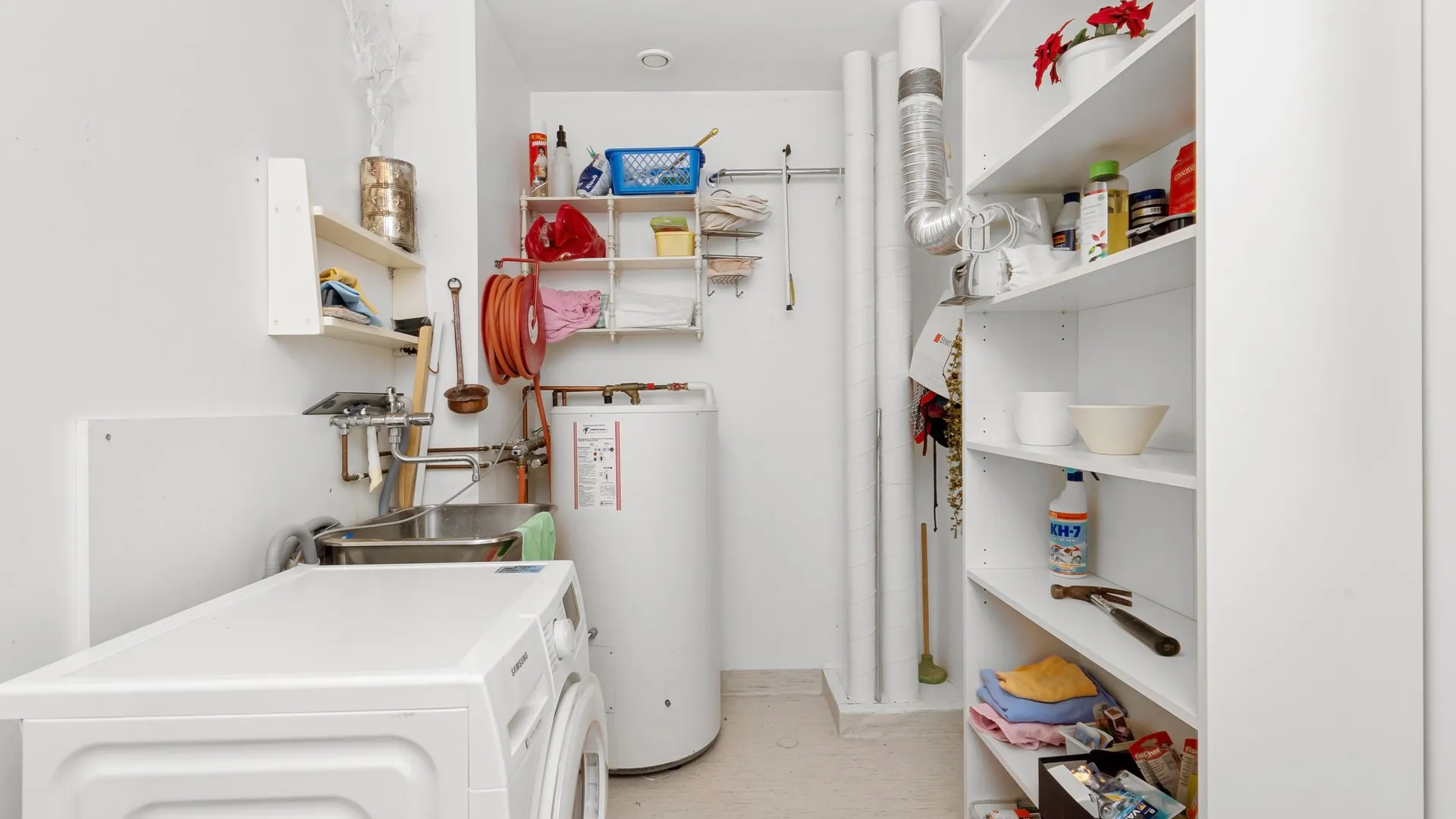
- Cold valve
- on top of the tank stops the flow
- 24-48 hrs
- to dry before mold (EPA)
- Sudden
- tank failure vs. slow leak (Triple-I)
What to Do When the Water Heater Is Leaking
Water heater leak cleanup in Kent starts with shutting the tank off, because a failed tank keeps refilling from the supply. Hot water also brings a burn risk on top of the water damage. Take these steps in order:
- Close the cold-water supply valve on the pipe at the top of the tank. That stops new water from entering.
- Turn off the energy. Switch off the breaker for an electric heater. On a gas heater, turn the gas control knob to off or pilot.
- Keep clear of hot water pooling around the base and leave the drain valve and relief valve alone.
- Move stored boxes and belongings out of the garage or closet and away from the next room’s wet carpet.
- Photograph the tank, the floor and the wet walls before anything is moved.
- Call the number on this page to get the water extracted and the rooms dried.
Replacing the heater is plumbing work; the water on the floor and in the walls is what a restoration contractor cleans up and dries.
Where Water Heater Water Goes
A water heater sits in one of 4 places in a Kent home, and each sends the water somewhere different. Water from the tank is clean water, Category 1, which gives the best chance of drying walls and flooring in place if work starts quickly (IICRC S500). Water that sits for days moves up a category and more has to come out.
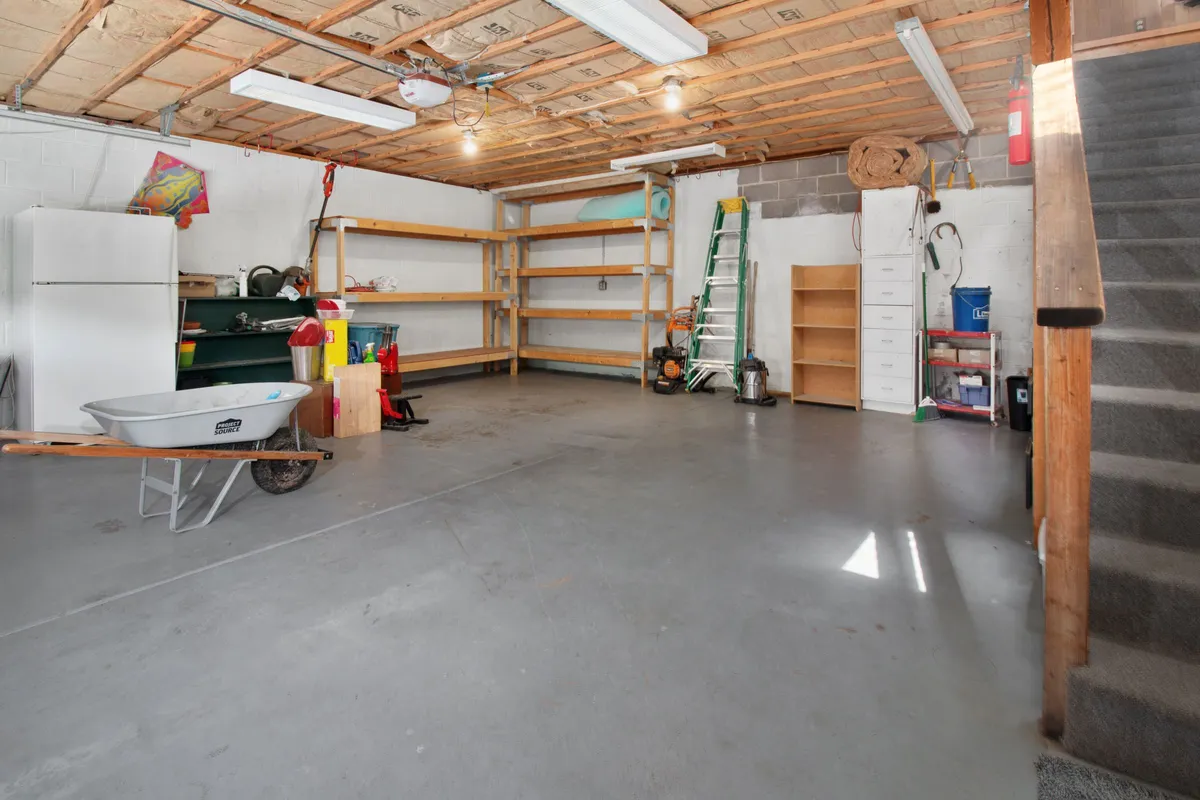
Garage Water Heaters
Garage slabs slope toward the big door, but water from a tank near the house wall often runs the other way, under the door into a laundry, mudroom or hallway. The garage slab dries quickly; the drywall at the bottom of the shared wall and the room behind it do not. The crew follows the water into the house and reads the walls on both sides.
Closet and Utility Room Heaters
A heater in an interior closet or utility room floods a small space with nowhere to drain. The water spreads under the closet walls into the carpet and pad of the surrounding rooms. Baseboards come off, and the drywall and floor around the closet are checked with a moisture meter.
Attic or Upstairs Heaters
Heaters installed in an attic or an upstairs closet send water down through the floor into the ceiling below. A drain pan under the tank catches small leaks but not a split tank. The ceiling below is made safe, then the floor framing and the ceiling cavity are dried.
The Room Next Door
The room next to the heater is where most of the damage hides. Carpet pad soaks up water under a dry-looking carpet, and drywall wicks it upward behind the furniture. Readings on that side of the wall decide how far the drying and removal have to reach.
How Water Heater Water Damage Is Cleaned Up
The cleanup follows the water from the tank outward until the readings stop finding it. The work follows the IICRC S500 standard for water damage restoration (IICRC S500).
Step 1: Extract the Water
The standing water comes up from the slab, closet floor and next room with extractors. Carpet and pad in the next room are extracted with weighted tools. Water extraction explains the equipment.
Step 2: Check the Walls and the Next Room
Baseboards come off along wet walls, and moisture meters read the drywall, the bottom plates and the subfloor. Readings mark how far the water travelled, which sets where drying equipment goes and what has to come out.
Step 3: Dry With Readings
Air movers and dehumidifiers dry the walls, floors and any opened cavities. Readings are taken every day and compared with dry materials of the same kind. Structural drying covers that process in detail.
Step 4: Replace Baseboards and Drywall
Once the readings say dry, swollen baseboards, damaged drywall and pad are replaced, and walls are primed and painted. Flooring that had to come up goes back in last.
Water around the heater right now? Call the number on this page to start the cleanup.
Garages and Closets in 1960s-1990s Kent Homes
Many Kent homes built between the 1960s and the 1990s have the water heater in the garage or an interior closet. On West Hill, ranch homes and split-levels often keep the tank in the garage against the house wall. On the East Hill, two-story homes often put it in a closet off the hallway or the laundry, right next to carpeted rooms. In both layouts the tank sits beside finished space, so a split tank floods living areas, not just a concrete floor. Age is the usual reason a tank fails: steel tanks corrode from the inside over the years, and the first sign is often water at the base. A tank that has started to weep is close to failing completely.
A tank gives warning signs before it splits. Watch for these:
- Rust-colored water from the hot taps only.
- Rust or wet streaks on the outside of the tank or around its base.
- A small puddle that comes back after it is wiped up.
- Popping or rumbling sounds while the burner or elements run.
- Moisture or corrosion at the pipe connections on top of the tank.
Two simple additions limit the damage when a tank does fail: a drain pan under the tank piped to a drain, and a battery water sensor on the floor beside it that sounds an alarm at the first sign of water. Neither stops a split tank, but both shorten the time the water runs before someone closes the valve.
Water Heater Leaks and Insurance
Insurance treats a water heater leak by how it happened. A tank that splits suddenly and floods a room is usually treated as an accidental discharge from a household appliance, which a standard homeowners policy covers (Triple-I). A slow leak that dripped for weeks is treated as maintenance and usually is not. The water heater itself is not covered either way; the policy pays for the water damage it caused. Photograph the tank, the label with its manufacture date, the water on the floor and every wet wall before cleanup, and ask for the moisture map and drying log at the end. The same records apply to residential properties and commercial properties. The full process is on the water damage restoration in Kent page.
How Quotes Work for Water Heater Leak Jobs
A water heater leak quote depends on how far the water ran before the valve was closed. Five things set it: the water category, the square footage affected, the baseboards, drywall and flooring that come out, the number of drying days and the repairs afterward. A small leak caught on a garage slab and a closet heater that flooded two bedrooms overnight are different jobs. Call the number on this page to get a quote.
Water Heater Leak Cleanup across Kent, WA
FAQ
Frequently Asked Questions About Water Damage Restoration
How much does it cost to fix a leak in a water heater?
The cost of the water damage from a leaking water heater is set after an inspection. The price depends on how far the water spread, whether drywall, baseboards or flooring in the next room took water, the drying days and the repairs. The heater repair or replacement is separate plumbing work. Call the number on this page to get a quote.
Who do I call if my water heater is leaking water?
Close the cold-water valve on top of the tank and turn off the power or gas first. The heater itself is plumbing work. The water on the floor, in the walls and under the flooring is restoration work: extraction, drying with moisture readings and repairs (IICRC S500). Choose a contractor registered with Washington L&I.
What is the most common cause of a water heater leak?
The most common cause of a water heater leak is age: the steel tank corrodes from the inside until it splits at the bottom, which no repair fixes. Leaks also come from the temperature and pressure relief valve, loose inlet and outlet connections and a drain valve that will not seal.
Does insurance cover water heater water damage?
A sudden tank failure that floods a room is usually treated as an accidental discharge from a household appliance, which a standard homeowners policy covers (Triple-I). A slow leak that went on for weeks is treated as maintenance, and the heater itself is not covered. Photograph the tank and the water before cleanup.