Kent, WA
Flood Cleanup in Kent, WA – Outside Water Out, Homes Dried and Repaired
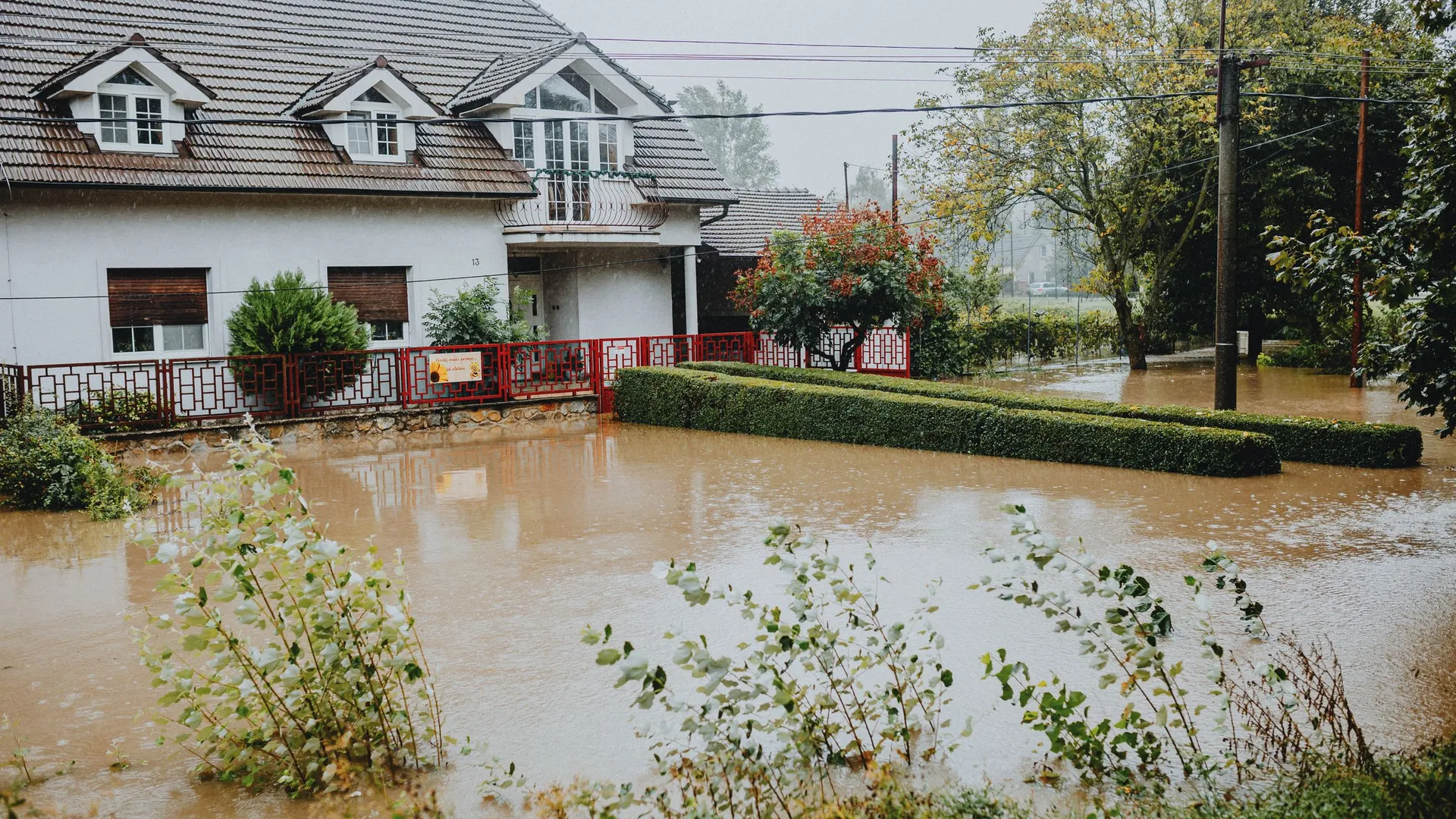
Floodwater from heavy rain, rising groundwater or a storm carries dirt and contaminants into a home. A local water damage restoration contractor extracts it, removes soaked porous materials, cleans and disinfects, dries the structure and repairs what came out.
- Serving Kent, WA
- 1962
- Howard A. Hanson Dam (Wikipedia)
- Category 3
- outside floodwater (IICRC S500)
- Separate
- flood policy needed (FEMA NFIP)
Before Going Back Into a Flooded Home
Flood cleanup in Kent starts with making sure the building is safe to enter. Floodwater is Category 3 water, the most contaminated class in water damage restoration (IICRC S500): it carries soil, fertilizer, fuel, chemicals and bacteria from everything it passed on the way in. These steps come first:
- Stay out until it is safe. Wait until the water has stopped rising and local officials say the area is clear.
- Leave the power alone unless the breaker panel can be reached without standing in water. Otherwise wait for the electricity to be shut off from outside.
- Wear rubber boots, waterproof gloves and eye protection before touching floodwater or anything it soaked (EPA).
- Photograph everything before moving it: the water line on the walls, each room and damaged belongings.
- Open nothing that smells of gas and leave the building if you do smell it.
- Call the number on this page to start the extraction and cleanup.
How Floodwater Gets Into Kent Homes
Outside water reaches Kent homes by 4 routes, and the route decides where the cleanup starts. All of it counts as Category 3 once it crosses the threshold, because it picked up contaminants outside (IICRC S500). Grading, gutters, drainage and roof repair are separate trades; the restoration work is getting the water out and the house clean and dry.

Heavy Rain Under Doors and Through Window Wells
Long winter storms overwhelm gutters and yard drains, and water pools against the house. It runs under patio and garage doors and fills window wells until it spills through the window into a lower room. The cleanup starts at the entry point and follows the water across the floor.
Groundwater Through the Foundation
After weeks of rain the ground stays saturated, and water seeps through foundation walls and slab cracks. It rises slowly and spreads under flooring before anyone sees it. Carpet, pad and the bottom of finished walls usually come out; in raised-floor homes, the crawl space water damage work runs alongside.
Flooded Lower Levels and Basements
Daylight basements and lower family rooms sit below the yard on one side and take water from every route at once. Deep water there is pumped out first with submersible pumps, then extracted from the floors. Water extraction explains the equipment.
Storm-Damaged Roofs
Wind tears shingles and flashing loose, and rain runs into the attic, through the insulation and down the walls and ceilings. Rain that came straight through a roof opening is cleaner than ground floodwater, but once it soaks insulation and debris it is handled as contaminated. The roof repair itself is separate work.
How Flood Cleanup Works for Outside Water
Flood cleanup removes more than a clean-water job, because porous materials that touch floodwater cannot be made safe again. The EPA advises removing standing water and wet materials, and drying the building within 24 to 48 hours (EPA). The work follows the IICRC S500 standard for water damage restoration (IICRC S500).
Step 1: Extract the Floodwater
Submersible pumps and extractors remove the standing water and the silt it carried. Mud is shoveled and squeegeed out before it dries onto floors.
Step 2: Remove Soaked Porous Materials
Carpet, pad, wet insulation and drywall are cut out at least a little above the highest water line. Upholstered furniture and mattresses that soaked up floodwater are discarded, after they are photographed for the insurer.
Step 3: Clean and Disinfect Hard Surfaces
Framing, slabs, subfloors, tile and other hard surfaces are cleaned of silt and treated with a disinfectant, so the contamination the water carried is gone before drying starts.
Step 4: Dry and Repair
Dehumidifiers and air movers dry the framing and subfloor, with readings taken daily until they match dry materials. New insulation, drywall, flooring and trim go in once the readings say dry.
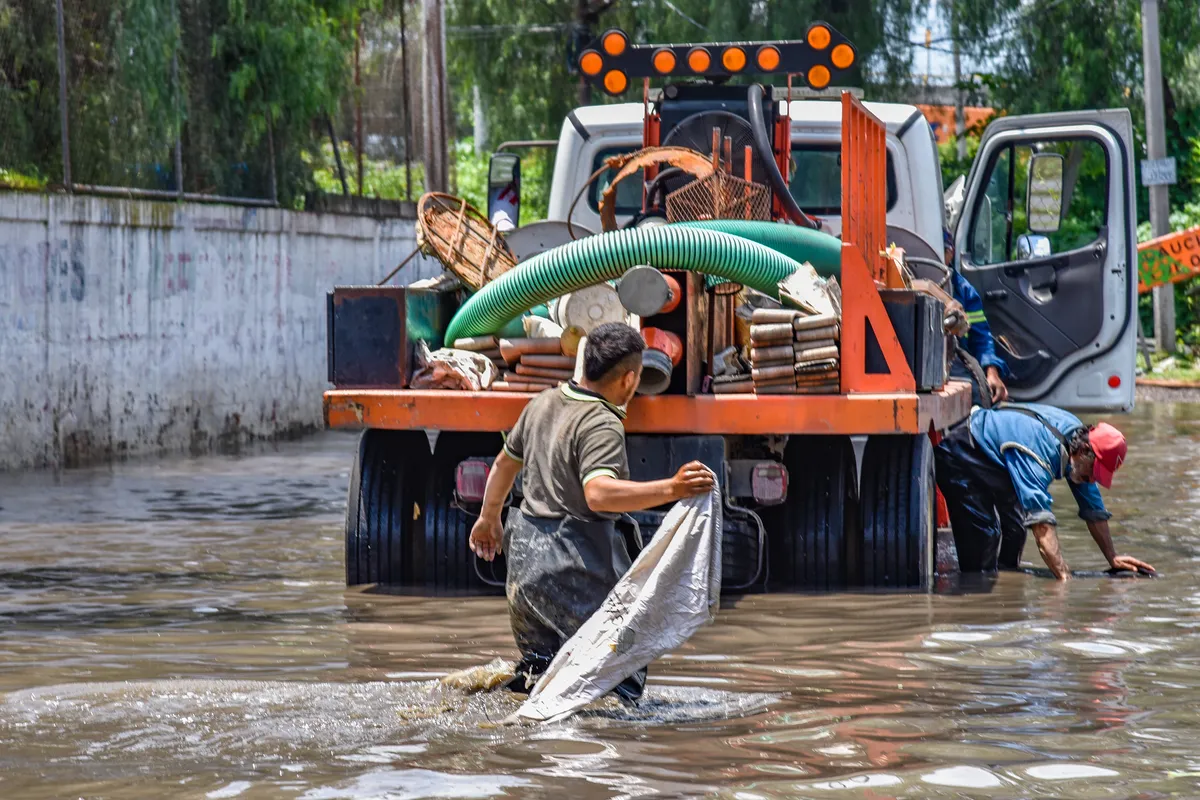
Not everything the water touched has to go. Hard, non-porous items such as metal, glass, sealed tile, solid-wood furniture with a finish and most plastics can be cleaned, disinfected and dried. Porous items that soaked up floodwater, including mattresses, upholstered furniture, carpet, pad and stuffed toys, cannot be made safe again and are discarded (EPA). Important papers and family photos are a special case: they can be frozen to stop mold while a decision is made, then dried later. Sorting these items before the crew starts removal saves arguments and keeps the insurer’s inventory accurate.
Outside water in the house now? Call the number on this page to start the cleanup.
The Green River Valley and Kent’s Flood History
Kent grew up on the floor of the Green River valley, and flooding shaped the city for most of its history. Before the 1960s, winter floods from the Green and White rivers spread across the valley farms again and again (Wikipedia). The Howard A. Hanson Dam, completed upstream in 1962, brought the Green River under control, and the valley floor filled in with warehouses, distribution centers and neighborhoods in the decades after (Wikipedia). The river is managed now, but the rain is not: Kent still gets about 40 inches a year (Wikipedia), and the low ground of the valley holds water during long storms. Most flood cleanup jobs in Kent today start with storm runoff and saturated ground, not the river.
A flooded home also needs watching after the cleanup ends. Mold can start on materials that stayed wet for more than 24 to 48 hours (EPA), and a musty smell, new stains low on the walls or warped trim in the weeks after a flood point to moisture the drying missed. Call back if any of those show up.
Flood Insurance Is a Separate Policy
Standard homeowners and renters policies do not cover flood damage from outside water (Triple-I). Flood cover comes from a separate flood policy, either through FEMA’s National Flood Insurance Program or a private flood insurer, and NFIP policies take 30 days to start after purchase (FEMA). A burst pipe or a failed water heater inside the home is a different kind of claim, handled under the homeowners policy. Keep the two apart when reporting the loss. Photograph the water line on every wall, keep samples of removed carpet and flooring if the adjuster asks, and ask for the moisture map and drying log. The same rules apply to residential properties and to warehouses & industrial properties on the valley floor. The full process is on the water damage restoration in Kent page.
How Quotes Work for Flood Jobs
A flood cleanup quote follows the water line. Five things set it: the square footage affected, how high the water rose on the walls, how much drywall, insulation, carpet and pad come out, the number of drying days and the repairs afterward. Water an inch deep in one room and a lower level flooded to the outlets are different jobs. Call the number on this page to get a quote.
Flood Cleanup across Kent, WA
FAQ
Frequently Asked Questions About Water Damage Restoration
How much is flood cleanup?
Flood cleanup is priced after an inspection, because floodwater reaches different heights and materials in every home. The price depends on the square footage affected, how high the water rose on the walls, how much drywall, insulation, carpet and pad come out, the drying days and the repairs. Call the number on this page to get a quote.
What do you need to clean up after a flood?
Flood cleanup needs protective gear first: rubber boots, waterproof gloves and eye protection (EPA). After that comes extraction equipment for standing water, removal of soaked porous materials, cleaning and disinfecting of hard surfaces, and dehumidifiers and air movers to dry the structure within 24 to 48 hours (EPA).
What is it called when you clean-up water damage?
Cleaning up water damage is called water damage restoration. Its first part, extraction, drying and cleanup, is often called water mitigation; rebuilding afterward is reconstruction. For outside floodwater, the job is also called flood cleanup or flood restoration. The IICRC S500 standard covers all of it (IICRC S500).
What should be thrown away after a flood?
After a flood, throw away porous items that soaked up floodwater and cannot be cleaned and dried: carpet and pad, mattresses, upholstered furniture, stuffed toys, wet insulation, drywall below the water line, and food or medicine the water touched (EPA). Photograph everything for the insurer before it goes.
Does homeowners insurance cover flood damage?
No. Standard homeowners and renters policies exclude flood damage from outside water (Triple-I). Flood cover comes from a separate policy through the National Flood Insurance Program or a private flood insurer, and NFIP policies have a 30-day waiting period before they take effect (FEMA). A burst pipe inside the house is a different claim.