Kent, WA
Water Extraction in Kent, WA – Standing Water Out Before It Spreads
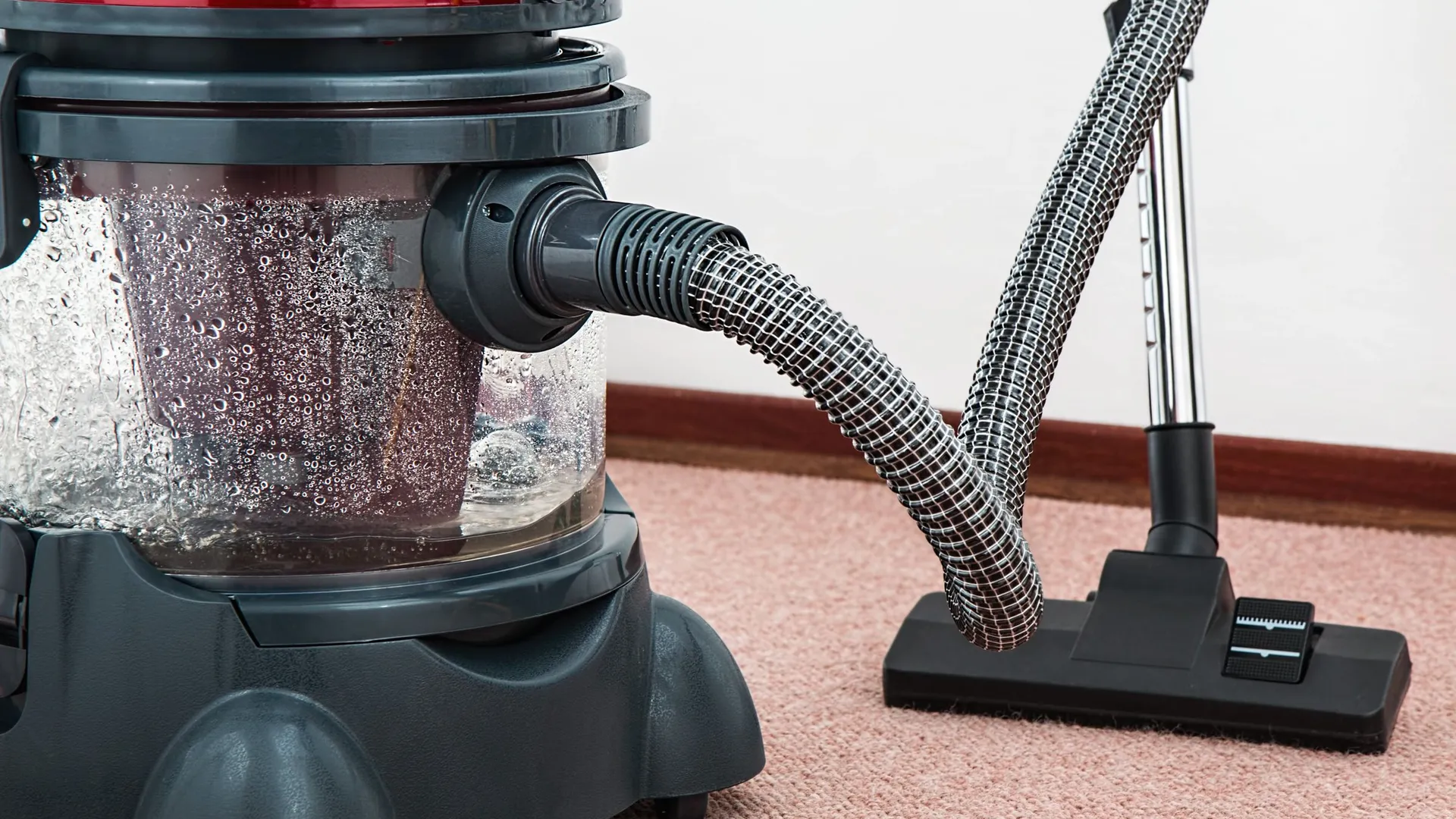
Standing water in a Kent home keeps soaking into flooring, walls and the crawlspace for as long as it sits. A local water damage restoration contractor pumps it out with truck-mounted or portable equipment so drying can start.
- Serving Kent, WA
- 24-48 hrs
- to dry wet materials before mold (EPA)
- 3
- water categories set the job (IICRC S500)
- 1st
- step: extraction comes before drying
What to Do in the First Hour With Standing Water
Water extraction in Kent goes faster when the water stops rising before the crew arrives. Every hour the water stands, it wicks further into drywall, swells laminate and soaks the subfloor. The EPA advises drying wet materials within 24 to 48 hours to prevent mold growth (EPA), so these steps buy time:
- Close the shutoff at the fixture or appliance, or the main valve if the source is unclear.
- Stay away from outlets, extension cords and power strips that sit in or near the water.
- Lift area rugs, electronics, papers and boxes off the floor and carry them to a dry room.
- Photograph the water level, the source and every wet room before anything moves.
- Leave the household vacuum in the closet; it is not built for water and creates a shock risk.
- Call the number on this page to get a local water damage restoration contractor started.
Mention on the call where the water came from, how long it has been standing and whether it reached a lower level or the crawlspace. Those three answers decide which equipment comes on the first visit.
Where Standing Water Collects and How It Comes Out
Standing water settles in 5 places in a Kent home, and each one takes a different tool to empty. The water category matters in every one of them: clean water from a supply line allows more to be saved than gray water from an appliance or outside water from a storm (IICRC S500).
Carpet and Pad
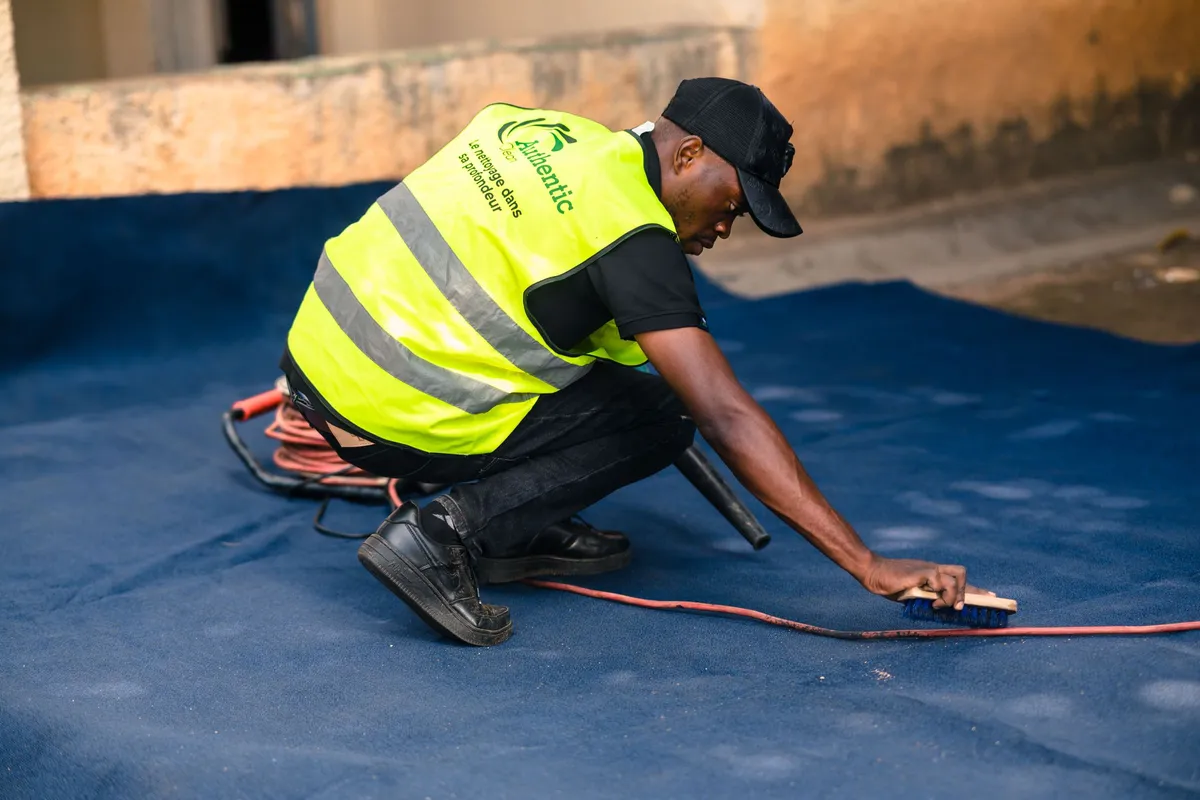
Carpet looks wet on top, but the pad underneath holds most of the water. The crew runs a truck-mounted or portable extractor over the carpet first, then uses a weighted extraction tool that presses down through the pile and pulls water from the pad. Pad soaked by clean water can sometimes stay; pad soaked by gray or outside water comes out (IICRC S500). The wet carpet drying page covers what happens to the carpet next.
Hard Floors and Laminate
Water on tile, vinyl and sealed concrete sits on top and comes up with a squeegee wand and extractor. Laminate and engineered wood are different: water runs through the seams and settles underneath, where the boards swell. The crew extracts the surface water, checks under the boards with a moisture meter and decides whether the flooring can be dried or has to come up.
Lower Levels and Split-Level Family Rooms
Split-level and daylight-basement homes are common on Kent’s hillsides, and their lower family rooms collect water from the floor above, a failed window well or a water heater on the same level. The crew pumps deep water with a submersible pump, then switches to an extractor for the carpet and the last inch on the slab.
Garages and Utility Rooms
Garages and utility rooms flood from water heaters, washing machine lines and sump pumps that stop working. The water runs under the door into finished rooms. The crew extracts the garage slab and follows the water into the next room, measuring the bottom of the drywall where it wicks upward.
Crawlspaces Under Raised Floors
Water in a crawlspace pools on the vapor barrier and soaks the insulation above it. The crew pumps out the standing water, then removes wet insulation and a damaged vapor barrier before drying the joists and subfloor. That work continues on the crawl space water damage page.
How Truck-Mounted and Portable Extraction Work
Extraction equipment is matched to the amount of water and where it sits. A truck-mounted extractor runs from a van parked outside and pulls the most water, which suits large carpeted areas. Portable extractors carry indoors to upstairs rooms, condos and tight spaces. Submersible pumps move deep water out of lower levels and crawlspaces. The work follows the IICRC S500 standard for water damage restoration (IICRC S500).
Step 1: Confirm the Water Is Off and Map the Wet Area
The crew confirms the source is stopped, then uses moisture meters and a thermal camera to find where the water travelled under baseboards, flooring and walls. The map sets where extraction starts and how far it has to reach.
Step 2: Pump Out Standing Water
Deep water comes out first with submersible pumps, then the extractor wands take what the pump leaves on floors and slabs. Every gallon pulled out as liquid is a gallon the drying equipment does not have to evaporate later.
Step 3: Extract Carpet and Pad
Weighted extraction tools press the carpet into the pad so the extractor pulls water from both. The crew makes repeated passes until the wand pulls little water, then decides whether the pad stays, based on the water category and the readings.
Step 4: Hand Off to Structural Drying
With the standing water gone, air movers and dehumidifiers go in to dry what the extractors could not reach: subfloors, framing and the bottom of the walls. Moisture readings recorded during extraction become the starting point for drying.
Water still standing in the house? Call the number on this page to start the extraction.
Why Water Sits Longer in a Puget Sound Winter
Kent’s climate keeps wet materials wet. The city gets about 40 inches of rain a year, spread over roughly 150 days, most of it between October and April (Wikipedia). Air that is already damp cannot take on much more moisture, so a soaked floor left to dry on its own in a Kent winter stays wet far longer than the same floor in a dry climate. Closed-up houses with the heat running make it worse by warming the water and the materials around it, which is the condition mold needs. That is why extraction volume matters so much here: the more water comes out as liquid in the first visit, the less work the dehumidifiers have to do against Kent’s damp air, and the shorter the drying runs.
After the Water Is Out: Drying, Cleanup and Repairs
Extraction is the first step of water damage restoration in Kent, not the whole job. Water still sits inside the subfloor, the bottom of the drywall and the framing after the floor looks dry. Structural drying removes it with air movers, dehumidifiers and daily moisture readings until the materials match dry reference readings (IICRC S500). Carpet that can be saved goes through wet carpet drying, and pad, insulation or drywall that had to come out are replaced once the structure reads dry. The same sequence applies to residential properties and commercial properties, with larger equipment and more documentation on bigger buildings.
Insurance follows the cause of the water. A standard homeowners policy covers sudden and accidental discharge from plumbing or an appliance, such as a burst supply line or a split water heater, but not a slow leak that built up over months (Triple-I). Outside floodwater needs a separate flood policy (FEMA). Either way, the adjuster asks for the same records: photos taken before extraction, the moisture map and the daily readings that show when the structure was dry. Ask for copies of all three when the drying ends.
How Quotes Work for Water Extraction Jobs
A water extraction quote is written after the crew sees how far the water went. Five things set it: the water category, the square footage affected, whether carpet, pad or flooring has to come out, the number of drying days and any repairs afterward. Two rooms of clean water caught early and a lower level that sat for a weekend are different jobs. Call the number on this page to get a quote.
Water Extraction across Kent, WA
FAQ
Frequently Asked Questions About Water Damage Restoration
How much does it cost to extract water?
The cost to extract water is set after an inspection. The price depends on the water category, the square footage affected, whether carpet and pad come out, how many days the drying runs and what needs repair afterward. Call the number on this page to get a quote for your property.
How long does water extraction take?
The extraction itself takes a few hours in most rooms and longer in a flooded lower level or crawlspace. Drying follows and runs for days, until moisture readings in the wet materials match readings in dry materials of the same kind (IICRC S500). Nobody can promise a day count before measuring.
What is a water extraction?
Water extraction is the removal of standing and absorbed water from floors, carpet, pad and lower levels using truck-mounted extractors, portable extractors and submersible pumps. It is the first step of water damage restoration (IICRC S500). Structural drying then removes the moisture that extraction cannot reach.
How fast should standing water be removed?
Standing water should come out within hours, not days. Wet materials need to be dried within 24 to 48 hours to prevent mold growth (EPA), and drying cannot start while water still stands. Clean water left sitting also picks up contamination and moves up a category (IICRC S500).
Can a shop vac handle water extraction?
A shop vac can pick up a small puddle on a hard floor. It cannot pull water out of carpet pad, subfloors or a flooded lower level, and it holds only a few gallons at a time. Water left in the pad or under flooring is what leads to mold and swelling later.