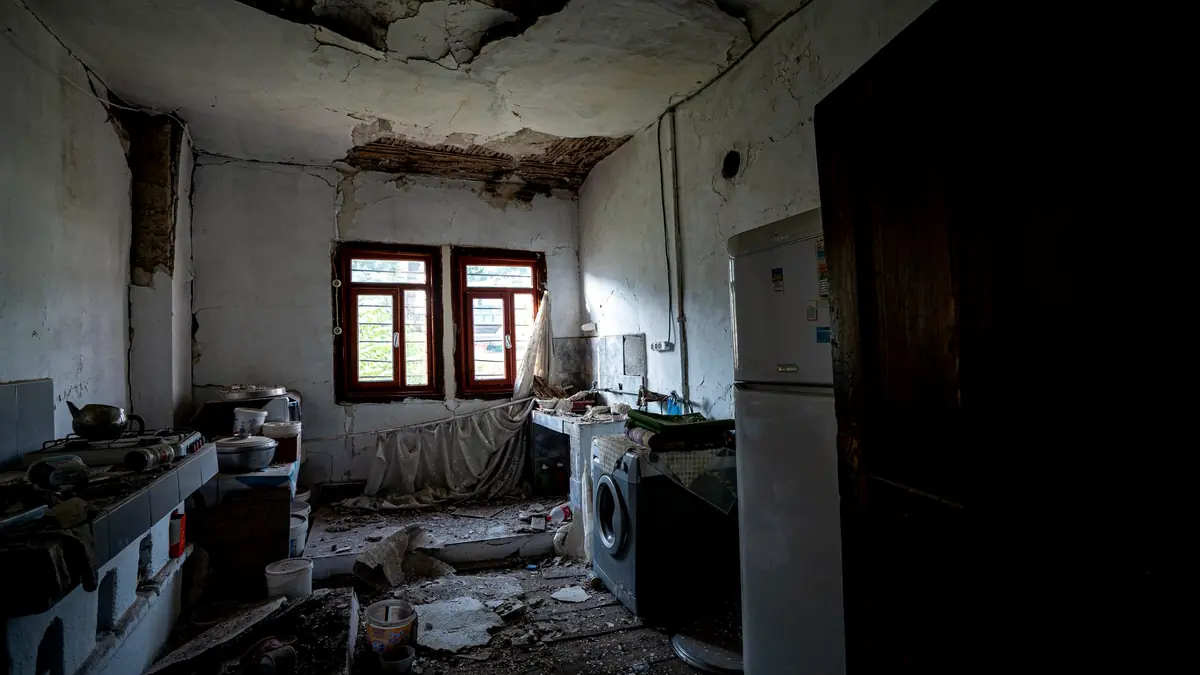
Water damage on a ceiling is dangerous because a saturated panel threatens ceiling collapse, mold growth, and electrical faults inside a Kent, WA home. A water-damaged ceiling can collapse once the drywall absorbs enough water to lose its strength, and a heavy leak can bring a section down within hours rather than days. Water tracking into ceiling light boxes and junction boxes adds shock and short-circuit risk, while the wet cavity above the drywall grows mold within 24 to 48 hours (EPA, 2024). Each danger worsens the longer the ceiling stays wet, which is why a stained or sagging ceiling signals an active hazard.
Is a Water-Damaged Ceiling Dangerous?
Yes, a water-damaged ceiling is dangerous because it can sag, collapse, grow mold, or expose live wiring as the materials stay saturated. Standing water weakens drywall, loosens fasteners, and loads the panel with weight it was never built to hold. The main dangers of a water-damaged ceiling are the following:
- Structural collapse from drywall or plaster that loses strength as it absorbs water.
- Mold growth inside the dark, damp cavity above the ceiling.
- Electrical hazards where water reaches recessed lights, fans, and junction boxes.
- Hidden spread of moisture into ceiling joists, insulation, and the walls below.
Each risk grows the longer the ceiling stays wet, so the saturated area rarely stays contained to the first visible stain.
Can a Water-Damaged Ceiling Collapse?
Yes, a water-damaged ceiling can collapse once the drywall or plaster absorbs enough water to lose its load-bearing strength. Water pools in the cavity above the ceiling, the drywall softens and pulls away from the ceiling joists, and the trapped weight drags the panel down. The IICRC S500 is the standard restoration companies follow to dry the structure fast enough to stop this failure. Older split-level and single-story homes on Kent’s West Hill, many with lath-and-plaster or standard drywall ceilings, hold water in ways that stress aging fasteners. Fast ceiling water damage repair in Kent, WA extracts that trapped water before the panel gives way.
How Fast Can a Wet Ceiling Collapse?
A wet ceiling can collapse within a few hours when a large volume of water pools above it, or over several days from a slow, repeated leak. The timeline shifts with how much water is present, what the ceiling is made of, and how long the leak has run.
| Factor | Faster collapse | Slower collapse |
|---|---|---|
| Water volume | A burst supply line dumping gallons at once | A slow drip that dries between events |
| Ceiling material | Older plaster or already-saturated drywall | Newer, moisture-resistant board |
| Leak duration | A sudden, high-flow failure overhead | A minor leak caught within a day |
| Visible sagging | A bulging, dripping section already deforming | A flat stain with no movement yet |
Any visible sag or bulge means the ceiling should be treated as an active hazard now.
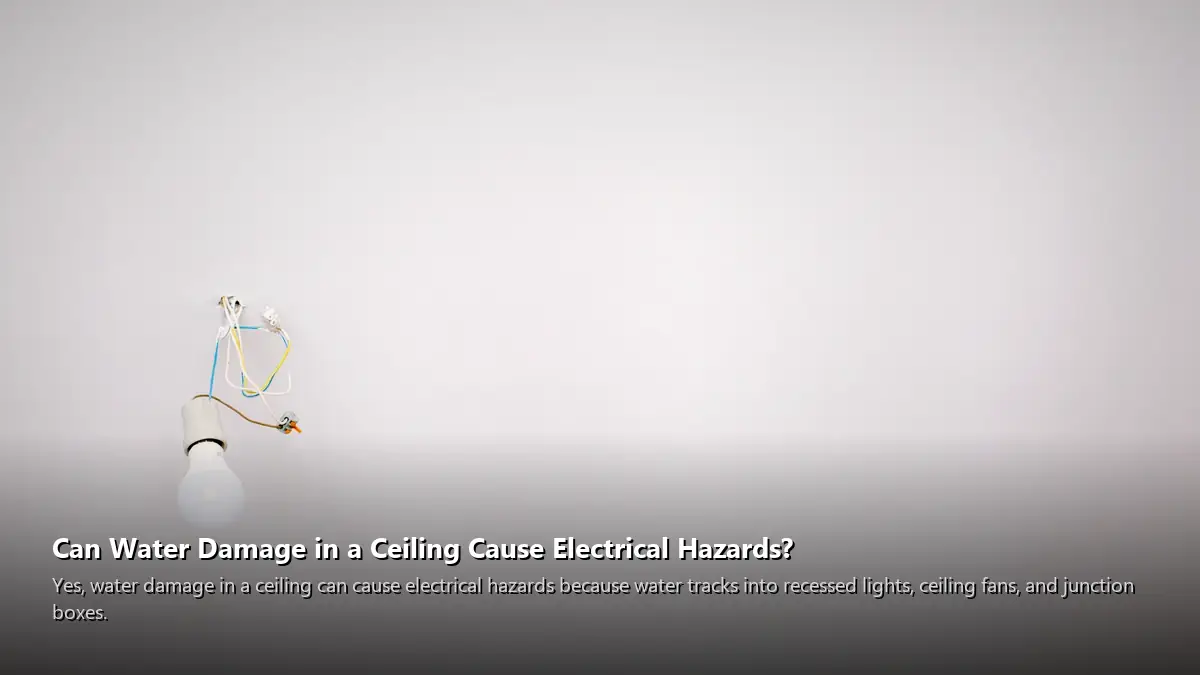
Can Water Damage in a Ceiling Cause Electrical Hazards?
Yes, water damage in a ceiling can cause electrical hazards because water tracks into recessed lights, ceiling fans, and junction boxes. Water carries current, so a wet fixture can energize the surrounding metal and deliver a shock to anyone who touches it. Water bridging the terminals inside a box also creates a short circuit that can trip a breaker or overheat the wiring. Shutting off power to the affected area at the breaker before touching a wet fixture removes the live-current risk (CPSC, 2023). A restoration crew works alongside a licensed electrician when wiring sits in the wet zone, since the hazard is never cleared by guesswork.
Can a Water-Damaged Ceiling Cause Mold?
Yes, a water-damaged ceiling can cause mold because the hidden cavity above the drywall stays wet long enough for spores to grow. The EPA notes that mold can begin growing on damp building materials within 24 to 48 hours of water exposure (EPA, 2024). A ceiling cavity traps that moisture against paper-faced drywall and insulation, which feed mold once they stay saturated. How water damage causes mold across the wider structure, and how drying stops it, is covered on the structural drying side rather than repeated here.
How Do You Spot a Dangerous Ceiling Before It Fails?
To spot a dangerous ceiling before it fails, you watch for sagging, bulging, spreading stains, and cracks that signal the material is saturating. A stain that grows, a soft spot, or a downward bulge means water is still collecting above the drywall. The full list of signs of water damage in a ceiling explains how to read each warning early, before the panel reaches the point of collapse.
What Should You Do About a Dangerous Water-Damaged Ceiling?
To handle a dangerous water-damaged ceiling, you stop the water, clear the room below, and call a local water damage restoration company in Kent, WA. Fast action limits the saturated area and lowers the collapse and electrical risk overhead. The steps to take with a dangerous water-damaged ceiling are the following:
- Move furniture and valuables out from under the stained or sagging area.
- Shut off power to the affected room at the breaker before anyone goes near a wet fixture.
- Stay out of the room until a professional checks the ceiling if the panel bulges or drips.
- Call a local water damage restoration company to extract the water and dry the structure.
The number on this page connects the reader to a local restoration company, and knowing who to call for ceiling water damage keeps the roofer, plumber, and restoration roles clear.
Frequently Asked Questions
Is a Brown Water Stain on the Ceiling Dangerous?
A brown water stain on the ceiling is dangerous when it is still spreading or soft to the touch, because that means the leak is active. An old, dry, hard stain is usually cosmetic, while a damp or growing one points to water still reaching the drywall. General moisture guidance from the IICRC and EPA treats any active wetting as a reason to find and stop the source.
Is Minor Ceiling Water Damage Dangerous?
Minor ceiling water damage can still be dangerous because the visible stain is often smaller than the wet area hidden above the drywall. A small mark on the surface can sit under a much larger saturated cavity and an ongoing leak. The hidden moisture keeps weakening the panel and feeding mold even when the stain looks minor.
Can a Ceiling Leak Cause a Fire?
Yes, a ceiling leak can cause a fire when water reaches live wiring or a light fixture and creates a short circuit. Water inside a junction box or recessed light can arc across terminals and ignite nearby insulation or framing. Cutting power to the affected circuit at the breaker removes that ignition risk until an electrician checks it (CPSC, 2023).
Should You Sleep in a Room With a Water-Damaged Ceiling?
No, you should not sleep in a room with a sagging or actively leaking ceiling because of the collapse and electrical risk overhead. A saturated panel can give way without warning, and water near wiring adds a shock hazard. Relocating until a professional assesses and dries the ceiling keeps anyone from being under it when it fails.