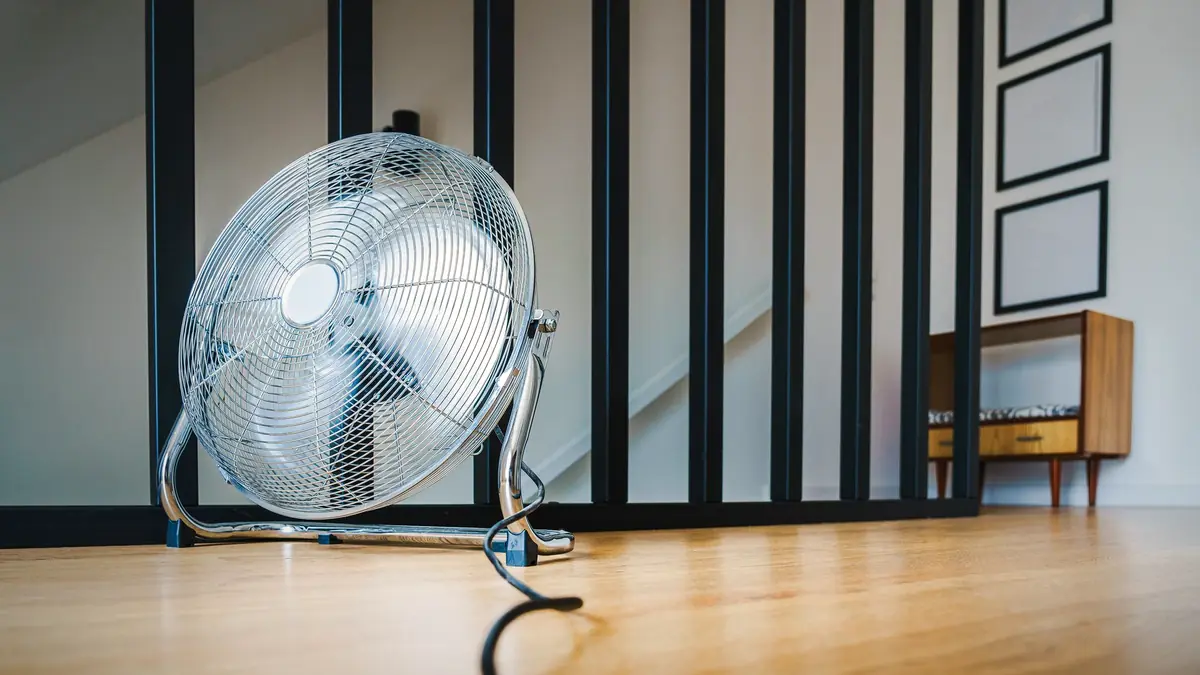
Water damage can dry out on its own only at the surface; hidden moisture inside drywall, subfloors and crawl spaces almost never dries without equipment. Surface moisture evaporates in a few hours to two days, but saturated materials hold water for weeks, and Kent, WA’s damp Puget Sound climate stalls evaporation long enough for mold to start within 24 to 48 hours (EPA, 2024). Proper drying removes standing water first, then forces air movers and dehumidifiers to pull moisture out until a moisture meter reads normal, because water left to dry passively often warps, swells or grows mold until a material becomes permanent loss.
Why Does Surface Water Dry but Hidden Moisture Doesn’t?
Surface water dries on its own because air evaporates it, while hidden moisture doesn’t because it is trapped inside drywall, insulation and under flooring where air can’t reach it. Moving air lifts water molecules off an exposed floor or countertop, so a visible puddle shrinks within hours. The same airflow never touches water that has already soaked below the surface.
Soaked drywall wicks water upward and holds it inside the gypsum core. Subfloors absorb water through seams and trap it between the finished floor and the joists. A floor can look dry to the eye while the subfloor and wall cavity underneath stay wet for weeks.
The U.S. Environmental Protection Agency advises drying wet materials within 24 to 48 hours to stop mold (EPA, 2024). The IICRC S500 is the water-damage standard restoration companies follow, and it separates surface moisture from bound moisture locked inside porous materials. Hidden moisture stays bound until equipment forces it out.
How Long Can Water Damage Take to Dry Out on Its Own?
The time water damage takes to dry out on its own ranges from a few hours for surface moisture to several weeks for saturated materials, and some materials never fully dry without equipment. Passive drying times depend on how porous the material is and how much water it absorbed. The comparison below shows how far apart surface and structural drying can be.
| Area / Material | Passive (no equipment) drying time | Full structural drying time | Dries safely on its own? |
|---|---|---|---|
| Sealed tile or hard surface | 2–8 hours | Under 1 day | Yes, if water never reached the subfloor |
| Wet carpet and pad | 2–7 days | 1–3 days with air movers | Rarely; the pad stays wet and grows mold |
| Drywall and wall cavity | 3–6 weeks or never | 3–5 days with equipment | No; the cavity and back of the board stay wet |
| Crawl space / subfloor | Often never | 1–3 weeks with equipment | No; ground moisture keeps replacing it |
Passive times stretch longest for the enclosed, porous materials that make up most of a home’s structure.
Can Wet Drywall, Subfloors and Crawl Spaces Dry on Their Own?
Wet drywall, subfloors and crawl spaces rarely dry on their own because Kent’s damp Puget Sound climate keeps indoor humidity high enough to stall evaporation. Western Washington stays cool and wet for much of the year, so the surrounding air already holds moisture and pulls little more from a wet wall (WSU Extension, 2023). The three problem areas in a Kent home are:
- Drywall that has wicked water up from the floor into the wall cavity
- Subfloors that hold water between the finished surface and the joists
- Crawl spaces where ground moisture and poor airflow keep conditions damp
Each area traps water out of reach of indoor air, which is why passive drying stalls instead of finishing.
Can Wet Drywall Dry Out on Its Own?
Wet drywall can dry out on its own only if the back of the board and the wall cavity dry too, which rarely happens once the gypsum core is saturated. Drywall wicks water upward and holds it inside the gypsum, so the painted face can feel dry while the core stays wet. Saturated gypsum loses strength, crumbles and feeds mold. The IICRC S500 standard treats fully saturated drywall as a replacement material, not a salvageable one.
Can a Crawl Space Dry Out on Its Own in Kent’s Climate?
A crawl space can rarely dry out on its own in Kent because the ground stays damp and airflow under the house is limited. Standing water sits on the soil or plastic vapor barrier with little ventilation to carry moisture away. Persistent dampness in a Pacific Northwest crawl space creates the moist wood conditions that attract dampwood pests and support mold (WSU Extension, 2023). The space needs water extraction and forced drying, not patience.
What Happens If You Let Water Damage Dry on Its Own?
Letting water damage dry on its own usually causes mold, wood rot and lasting odor before the materials finish drying. Mold needs only a damp surface and 24 to 48 hours to colonize, and wet structural materials give it both (EPA, 2024). The main consequences of passive drying are:
- Mold growth that releases spores and triggers respiratory symptoms (CDC, 2024)
- Wood rot that softens joists, subfloors and framing
- Odor from bacteria and decay that settles into porous materials
- Damage to electrical boxes, outlets and HVAC components that stayed wet
These problems compound the longer water sits, which is why fast, forced drying matters more than waiting.
How Do You Dry Out Water Damage Properly?
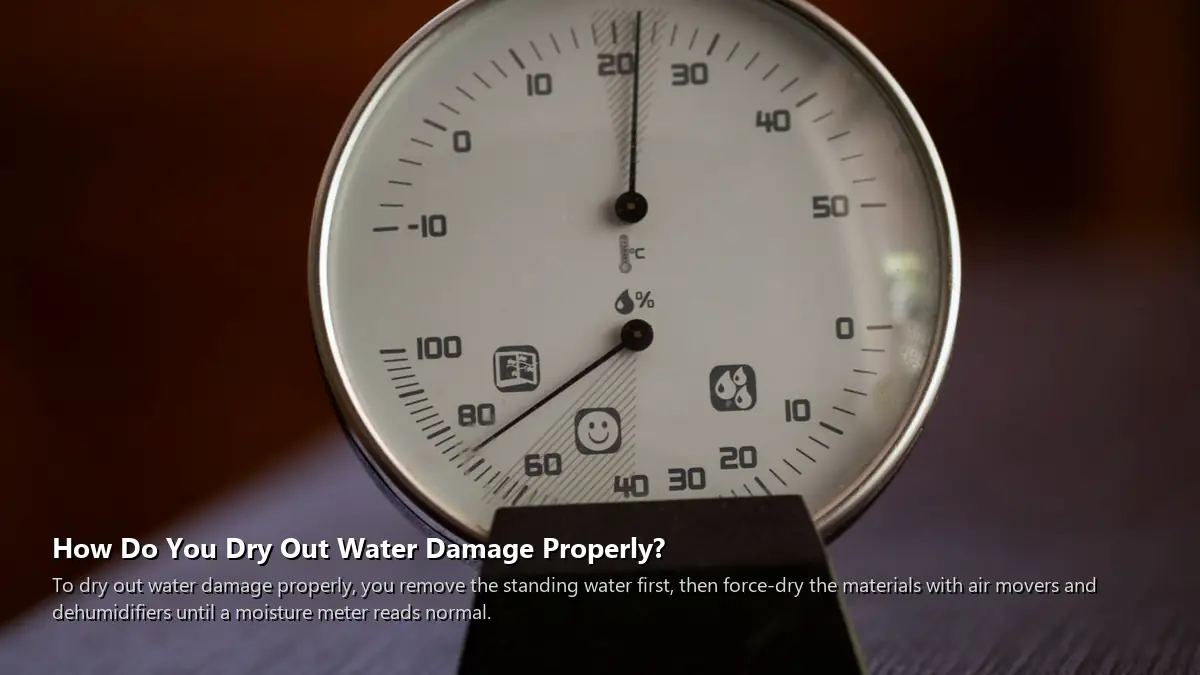
To dry out water damage properly, you remove the standing water first, then force-dry the materials with air movers and dehumidifiers until a moisture meter reads normal. A local water damage restoration company follows the IICRC S500 drying sequence rather than letting air do the work. The proper drying process follows these steps:
- Remove standing water with pumps and wet-dry vacuums before it spreads further
- Extract trapped water from carpet, pad and porous surfaces with extraction tools
- Ventilate the space and open wall cavities or flooring where moisture is trapped
- Run air movers and dehumidifiers together so moving air and moisture removal work in tandem
- Monitor affected materials with a moisture meter until readings match dry areas nearby
A restoration crew repeats readings daily until the structure meets a dry standard. For hidden moisture in walls, subfloors and crawl spaces, reach a local company that handles structural drying in Kent, WA and call the number on the page.
When Is Water Damage Too Far Gone to Dry Out?
Water damage is too far gone to dry out once materials have warped, swelled or grown mold, at which point drying can no longer save them. Swollen particleboard, delaminated subfloor and mold-colonized drywall cross the line from drying to replacement. The question then shifts from drying speed to whether water damage is permanent and which materials a drying plan can still rescue.
Frequently Asked Questions About Drying Out Water Damage
How Do You Tell When Water Damage Is Completely Dry?
You tell water damage is completely dry when a moisture meter reads the same as unaffected materials nearby, not when the surface feels dry to the touch. A surface can feel dry while the core still holds water. The IICRC S500 standard sets a dry goal by comparing affected materials to a baseline reading from a matching dry area. Only a meter confirms the material has reached that goal.
Can You Dry Out Water Damage Yourself?
Yes, you can start drying out water damage yourself by removing water and running fans, but hidden moisture in walls and floors needs professional equipment to dry safely. Pull up standing water with a wet-dry vacuum, move soaked items out and set up fans to boost airflow. Once water has reached drywall, subfloors or a crawl space, call a local water damage restoration company, since passive airflow will not beat the 24 to 48 hour mold window (EPA, 2024).
Will a Dehumidifier Alone Dry Out Water Damage?
No, a dehumidifier alone will not dry out water damage because it lowers air humidity but cannot pull moisture out of saturated materials fast enough to beat mold. A dehumidifier dries the air, yet bound water stays locked inside drywall and subfloors. Air movers push air across wet surfaces so that moisture releases into the air, where the dehumidifier then captures it. Structural drying pairs both tools for that reason.
Can Water Damage Dry Out on Its Own Inside a Wall?
Water damage rarely dries out on its own inside a wall because the cavity is enclosed and the insulation holds moisture against the framing. Wet insulation acts like a sponge pressed to the studs, keeping the cavity damp with no airflow to clear it. Drying a wall usually means opening or ventilating the cavity and removing saturated insulation. A closed, insulated wall left alone stays wet long enough for mold and rot.
How Do You Dry Out a House After a Pipe Burst?
To dry out a house after a pipe burst, you shut off the water, extract standing water, and force-dry every affected room before closing anything back up. Close the main supply valve to stop the flow, then pump or vacuum out the water that spread. Set air movers and dehumidifiers in each wet room and track moisture in the walls and floors. For the hidden water a burst line drives into the structure, reach a local company that handles burst pipe water damage in Kent, WA.