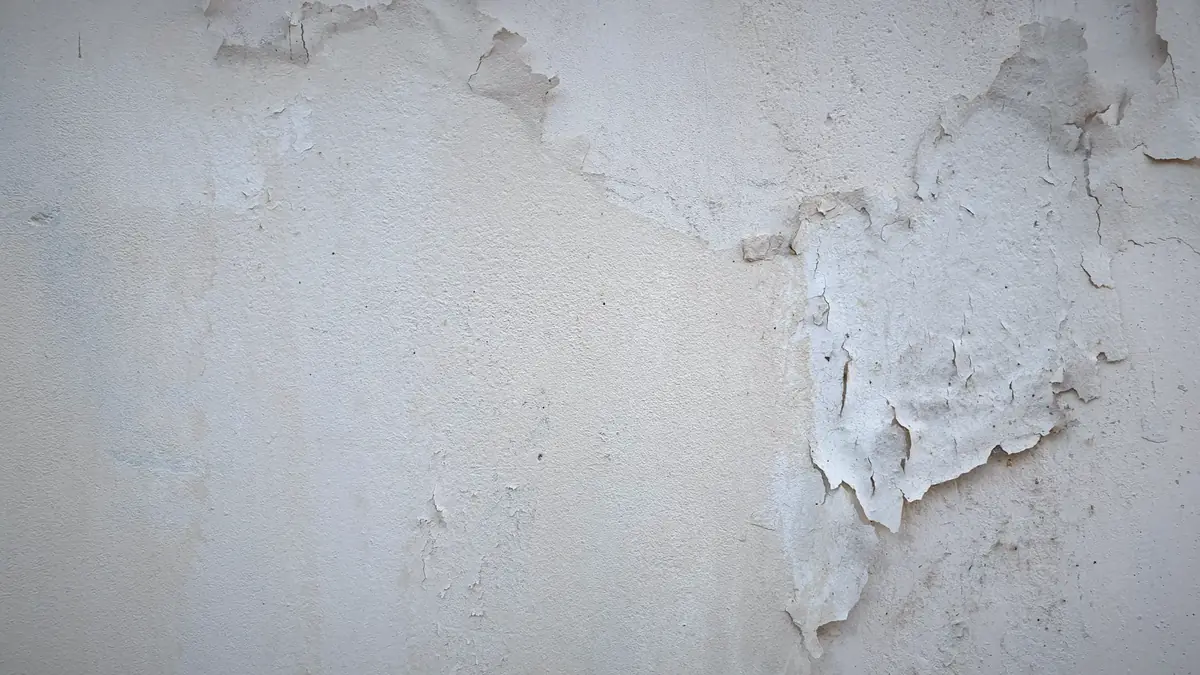
Water damage is not always permanent; caught early and dried fully, most building materials recover, and the outcome turns on how fast and how completely the water is removed. Water damage is reversible when the water is clean, the material is non-porous or semi-porous, and drying begins inside 24-48 hours, and it becomes permanent when porous materials stay wet long enough to rot, swell, delaminate, or grow mold. Standing water can cause permanent damage in as little as 24-72 hours, and the EPA sets the mold-prevention window at 24-48 hours (EPA, 2024). You confirm whether damage is permanent by pairing visible signs with a moisture-meter reading, since non-porous and quickly-dried items are usually saved while saturated drywall, carpet pad, and insulation almost always come out. Dried-out water damage returns as stains, odor, or mold when moisture was trapped and never fully removed.
Is Water Damage Permanent?
No, water damage is not always permanent — most materials recover when the water is removed and the structure is dried quickly and completely. One variable decides the outcome: how fast a restoration crew extracts the water and how thoroughly it dries the remaining structure. This answer covers a building, not a phone or electronics, where corrosion rather than drying speed settles whether the device survives.
What Makes Water Damage Reversible?
Water damage is reversible when three conditions hold: the water is clean, the material can be dried before it breaks down, and drying starts within 24-48 hours. A restoration crew reverses the damage by removing standing water, then pulling moisture out of the structure before porous materials fail. The conditions that keep water damage reversible are the following:
- Clean (Category 1) water from a supply line or rainfall, which carries no contaminants and leaves materials salvageable under the IICRC S500 standard restoration companies follow (IICRC, 2021).
- Fast response inside the EPA drying window of 24-48 hours, which stops mold before it establishes (EPA, 2024).
- Non-porous or semi-porous materials such as sealed concrete, tile, and solid wood, which release water instead of holding it permanently.
- Complete drying confirmed by a moisture meter, which proves the structure reached its dry standard rather than just feeling dry.
When any one condition fails, water damage shifts toward the permanent side.
What Makes Water Damage Permanent?
Water damage becomes permanent because porous materials stay wet long enough to rot, swell, delaminate, or grow mold past the point of drying. Once a material loses structural integrity, drying no longer restores it, and removal becomes the only option. The failures that make water damage permanent include the following:
- Wood rot, where fungal decay breaks down framing fibers and weakens load-bearing members beyond repair.
- Subfloor separation, where plywood or OSB swells and delaminates into layers that no longer hold fasteners.
- Drywall degradation, where gypsum board crumbles, sags, and loses its surface after staying saturated too long.
- Mold establishment, which the CDC and EPA tie to surfaces left wet beyond 24-48 hours (CDC, 2024).
- Hardwood cupping, where boards absorb moisture unevenly and warp into a permanent concave shape.
Each failure crosses a threshold where drying stops being enough and the material has to come out.
How Long Before Water Damage Becomes Permanent?
The time before water damage becomes permanent is as little as 24-72 hours for standing water, with the EPA’s drying window set at 24-48 hours before mold begins (EPA, 2024). The damage progresses in stages. In the first 0-24 hours, water spreads and saturates porous materials, yet most items remain salvageable with fast extraction. Between 24 and 48 hours, mold spores activate on wet surfaces and drywall begins to swell. Past 48 hours, wood rot, delamination, and established mold push materials toward removal. Kent, WA sits in a cool, damp Puget Sound climate that slows natural drying, and regional humidity keeps materials wet longer than a dry inland location would (WSU Extension, 2021). A home that air-dries slowly gives mold and rot more time to set, which shortens the practical window for saving materials.
How Do You Tell If Water Damage Is Permanent?
To tell whether water damage is permanent, you combine visible signs with a moisture-meter reading, because a surface can feel dry while moisture stays trapped inside. A restoration company checks both the appearance and the actual moisture content before deciding what stays and what goes. The signs that point to permanent or serious damage are the following:
- Staining that persists after the surface dries, which signals minerals and moisture migrated through the material.
- Warping or cupping of flooring and trim, which shows the material absorbed water and changed shape.
- Soft or spongy spots underfoot or in drywall, which reveal structural breakdown beneath the surface.
- Persistent musty odor, which points to microbial growth in a cavity that air-drying never reached.
- Elevated meter readings above the room’s dry standard, which prove moisture remains even when the surface feels dry.
Measurement, not appearance, is the decisive test, since trapped moisture hides behind a dry-looking surface.
What Can Be Saved and What Has to Come Out?
The material that can be saved versus what has to come out depends on porosity and how quickly it was dried. The table below splits common building materials into what a restoration crew usually saves, what depends on conditions, and what almost always leaves the home.
| Material | Usually saved (dried within 24-48h) | Situational | Almost always removed |
|---|---|---|---|
| Drywall | Minor surface dampening dried fast | Wet partway up, cut above the water line | Saturated, sagging, or swollen board |
| Hardwood flooring | Light surface moisture dried quickly | Early cupping that may flatten with controlled drying | Buckled, crowned, or delaminated boards |
| Carpet and pad | Clean-water carpet dried within hours | Carpet kept, pad replaced | Pad saturated, carpet soaked past drying |
| Framing / studs | Solid wood dried before rot | Surface-wet framing dried in place | Rotted or structurally weakened members |
| Insulation | Rigid foam wiped and dried | Partial wetting on sealed foam board | Wet fiberglass or cellulose that holds water |
| Subfloor | Sealed surface dried fast | Edges wet, dried with sustained airflow | Swollen, delaminated plywood or OSB |
A local water damage restoration company confirms each line with a moisture meter, and structural drying in Kent decides how much of the structure dries in place rather than coming out.
Can Dried-Out Water Damage Come Back?
Yes, dried-out water damage comes back as stains, odor, or mold when moisture was trapped behind a surface and never fully removed. A wall or ceiling cavity often reads dry at the painted surface while the framing and insulation behind it stay wet for weeks. The “it looks fine, so it’s fine” assumption fails here: a dry face hides a wet core, and the damage resurfaces as a spreading stain, a musty smell, or mold blooming through fresh paint. Surface drying ends the visible problem but leaves the hidden moisture that drives recurrence.
Why Does Drying Speed Decide Whether Water Damage Causes Mold?
Drying speed decides whether water damage causes mold because mold begins to establish in 24-48 hours on any surface that stays wet (EPA, 2024). What drying can save and what drying can prevent are the same question seen from two sides: fast, complete drying both rescues materials and denies mold the wet surface it needs.
Once drying slows past the 24-48 hour window, the salvage problem becomes a mold problem, and the trapped moisture that ruins a material also feeds microbial growth. The next step down this chain explains whether water damage causes mold and why the drying clock controls that outcome.
Frequently Asked Questions
Is Water Damage Permanent in a House or Only on Electronics?
No, neither is automatically permanent, but they fail differently — a house is saved or lost by drying speed, while electronics are decided by corrosion after power is reapplied. A flooded home recovers when a restoration crew dries the structure inside the 24-48 hour window, whereas a wet device corrodes internally once current runs through damp contacts. The building question turns on moisture removal, not circuit corrosion.
Does Water Damage Spread to Dry Areas If It Is Not Dried Out?
Yes, water wicks into adjoining dry drywall, framing, and insulation by capillary action until the material is dried, widening the damaged area. Dry gypsum and wood pull moisture from wet neighbors, so an unaddressed leak expands beyond its original footprint. A restoration crew dries the full wet zone, not just the visibly stained section, to stop the spread.
How Do You Know When a Wet Material Is Fully Dry?
To know a wet material is fully dry, you take a moisture-meter reading and compare it to an unaffected dry-standard area in the same room rather than judging by touch. The IICRC S500 standard restoration companies follow defines dry by matching an unaffected reference, not a fixed universal number (IICRC, 2021). A surface that feels dry can still read wet, which is why measurement settles the question.
Can Water Damage Be Reversed Once It Dried on Its Own?
Sometimes, but air-drying on its own often leaves trapped moisture that limits full reversal and raises the mold risk. Unassisted drying rarely reaches moisture sealed inside wall cavities or under flooring, so the material dries partway and stays vulnerable. Learn whether water damage can dry out on its own before relying on air alone.