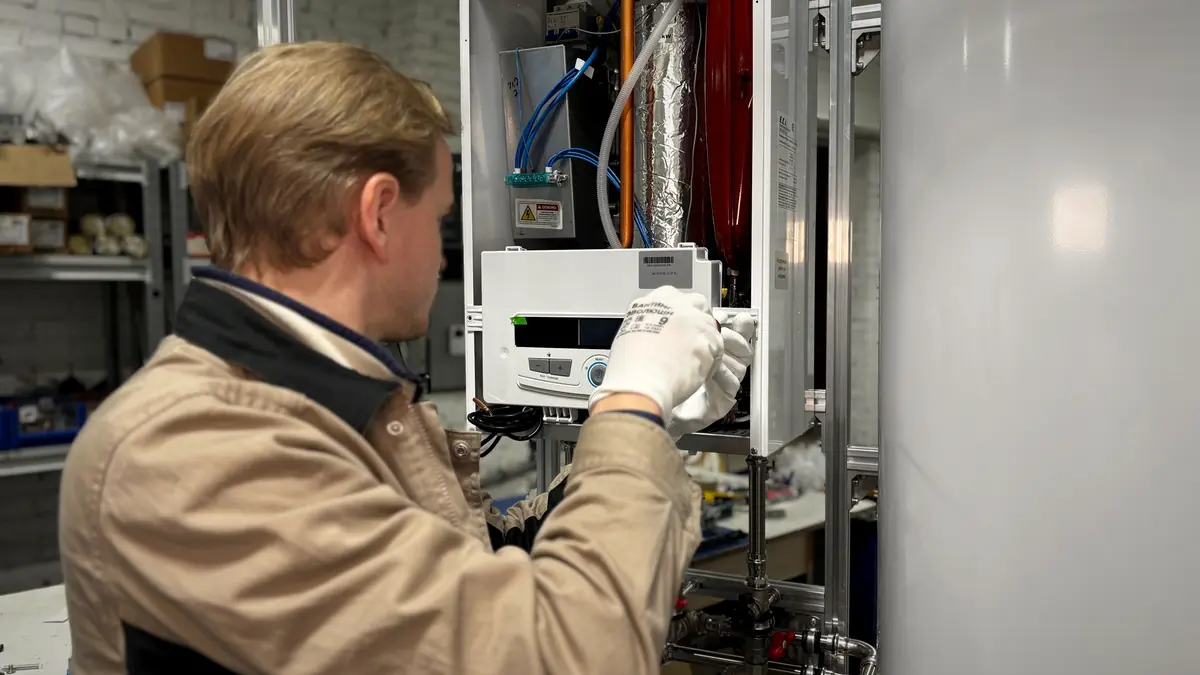
A leaking water heater is dangerous because it exposes a Kent, WA home to scalding burns, gas leaks, electrical shock, and fast-spreading water damage. A tank ruptures only when a failed temperature and pressure relief (T&P) valve lets heat and pressure climb unchecked, so most leaks point to water damage rather than an explosion. No leak is safe to leave running, because even a slow drip corrodes the steel tank and soaks the surrounding structure within days. Shutting off the water, gas, or power and calling a local water damage restoration company limits the burns, odors, shocks, and flooding a failing tank can set off.
What Are the Real Dangers of a Leaking Water Heater?
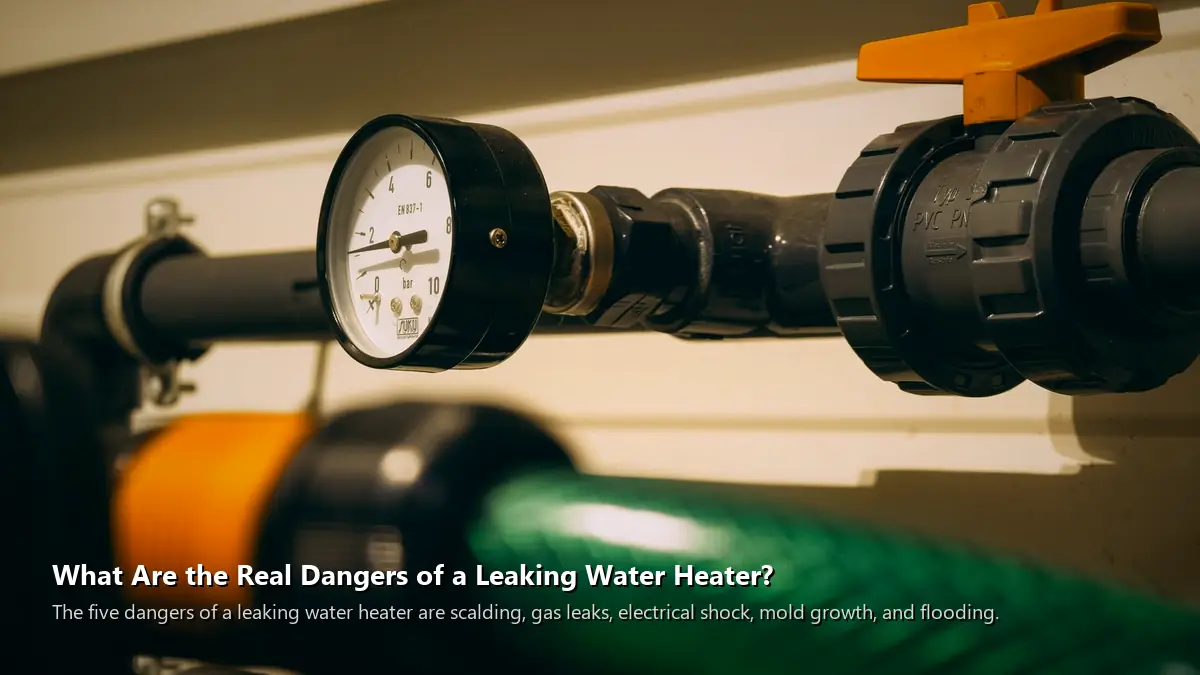
The five dangers of a leaking water heater are scalding, gas leaks, electrical shock, mold growth, and flooding. Each risk traces to a different failure point on the tank, and a Kent, WA homeowner can face several at once when stored water reaches wiring, the burner, or the floor. The dangers below move from the fastest injury risk to the slowest structural one:
- Scalding from water held at 120 to 140 degrees Fahrenheit inside the tank, hot enough to burn exposed skin on contact (CPSC, 2024).
- Gas leaks that begin when escaping water reaches the burner or corrodes the gas control valve of a gas water heater.
- Electrical shock when standing water contacts the lower heating element, the internal wiring, or a nearby outlet on an electric water heater.
- Mold growth that begins within 24 to 48 hours wherever trapped moisture lingers against drywall, framing, or subfloor (EPA, 2024).
- Flooding that drops the tank’s full 40 to 50 gallons across the floor and under walls into nearby rooms within minutes.
Each danger compounds the longer a leak runs, which raises the natural follow-up question of whether a failing tank can actually explode.
Can a Leaking Water Heater Scald You?
Yes, a leaking water heater can scald you, because stored water sits at 120 to 140 degrees Fahrenheit inside the tank. The Consumer Product Safety Commission notes that water at 140 degrees can produce a serious burn in seconds, which is why many manufacturers preset tanks lower (CPSC, 2024). A leak near the drain valve or the T&P discharge pipe pushes that hot water to floor level, so skin contacts the burn hazard before the source is even clear.
How Does a Leaking Gas Water Heater Create a Fire or Gas-Leak Risk?
To create a fire risk, water from a leak reaches the burner or pilot assembly and can extinguish the flame or corrode the gas control valve. A corroded valve may let unburned gas escape, which a homeowner often detects as a rotten-egg odor near the base of the unit. Anyone who smells gas should leave the home, avoid switches and flames, and shut the gas supply at the meter before calling the gas utility.
Can Water From the Leak Cause Electrical Shock?
Yes, water pooling around an electric water heater can cause electrical shock by reaching the heating elements, internal wiring, or a nearby outlet. Standing water conducts current from energized parts to anyone who steps in it, and the circuit stays live until the breaker is open. A homeowner should cut power to the water heater at the breaker panel before approaching the standing water or touching the tank.
Why Does a Water Heater Leak Lead to Mold and Structural Damage?
A water heater leak leads to mold because trapped moisture feeds spores within 24 to 48 hours, per EPA guidance (EPA, 2024). Hidden water behind drywall, beneath flooring, or inside a Kent, WA crawl space keeps materials damp long after the visible puddle disappears. Sustained moisture rots the subfloor and swells drywall, turning a plumbing leak into a structural and air-quality problem that a restoration crew following the IICRC S500 standard has to dry out.
How Fast Can a Leaking Tank Flood a Kent Home?
To flood a room, a failed 40- to 50-gallon tank releases its full contents in minutes across the floor and into adjoining spaces. A garage or closet install sends that water under walls and into living areas, where carpet, baseboards, and subfloor soak it up fast. Prompt extraction limits how far the water travels, which is the focus of water heater leak cleanup in Kent, WA after a tank fails.
Can a Leaking Water Heater Explode?
Yes, a water heater can explode, but only when a faulty T&P valve lets both temperature and pressure climb unchecked. Most leaks do not indicate an explosion risk; they signal a corroded tank or a loose fitting that releases water, not steam under pressure. The temperature and pressure relief valve is the key safety device, built to open and vent before internal pressure reaches a dangerous level.
Water or steam discharging from the T&P discharge pipe is the warning sign that the valve is fighting rising pressure inside the tank. A unit that discharges from the valve repeatedly needs a plumber’s inspection, because a stuck valve on an overheating tank is the rare condition behind a true rupture (CPSC, 2024). Testing the T&P valve and keeping the thermostat near 120 degrees lowers that already-low risk.
Is It Safe to Leave a Water Heater Leaking?
No, it is never safe to leave a water heater leaking, because even a slow drip corrodes the tank and soaks the surrounding structure. A leak that looks minor on the first day widens as rust eats through the steel, and the escaping water reaches flooring, framing, and stored belongings. Before writing a leak off as harmless, a Kent, WA homeowner should rule out plain condensation, since a sweating tank in a humid garage can mimic a true leak. The problems below all get worse the longer a real leak runs:
- Tank corrosion that spreads from a small surface weep to a full-bottom failure that empties the tank.
- Mold growth across damp drywall, insulation, and subfloor that degrades indoor air quality.
- Flooring damage to laminate, hardwood, and carpet in the rooms the water reaches.
- Repair cost that climbs as water contacts more framing, finishes, and stored belongings.
The safe response is to close the cold-water supply valve above the tank, cut the gas or power, and call a local water damage restoration company to extract the water and dry the structure before corrosion and moisture spread further.
Is a Leaking Water Heater Always an Emergency in a Kent, WA Home?
Not every leak is an instant emergency, but a leak touching gas, electrical, or a large volume of water demands an immediate shut-off and a call. A slow weep from a fitting on an electric unit gives a Kent, WA homeowner time to shut the supply and schedule a repair, while water spreading toward outlets or a gas burner needs action within minutes. Reading these danger signs tells a homeowner whether the situation crosses into whether a leaking water heater is an emergency, and following the shut-off steps for a leaking water heater keeps the response fast when it does.
Frequently Asked Questions About Leaking Water Heaters
How long can you go with a leaking water heater?
You should act within hours, not days, because a leak accelerates tank corrosion and structural damage the longer it runs. A slow drip still rusts the tank from the inside and can feed mold within 24 to 48 hours (EPA, 2024). Every added hour widens the repair scope, so shutting the supply and calling a restoration crew early keeps the damage contained.
Can you still use your water if the water heater is leaking?
No, you should stop using hot water and shut the cold-water supply once a tank leak is confirmed, so the leak does not worsen. Running a shower or tap keeps pulling water through a failing tank and adds to the volume already on the floor. Closing the cold-water shut-off valve above the unit stops the flow until a plumber or restoration crew arrives.
What is the most common cause of a water heater leak?
The most common cause of a water heater leak is internal tank corrosion from sediment buildup, followed by a failed T&P valve or a loose drain valve. Sediment settles at the bottom of the tank and traps heat against the steel, which rusts it from the inside out. Cracked inlet or outlet connections and high household water pressure account for most of the remaining leaks.
Is a water heater leaking from the top more dangerous than from the bottom?
The key difference between a top leak and a bottom leak is that a top leak points to a fitting or valve while a bottom leak usually means the tank itself has failed. A top leak from a cold-water connection or the T&P valve is often repairable, while water pooling at the base signals a corroded tank that needs replacement. Either leak can reach electrical or structural components, and water heater leak insurance coverage explains who pays for the resulting damage.