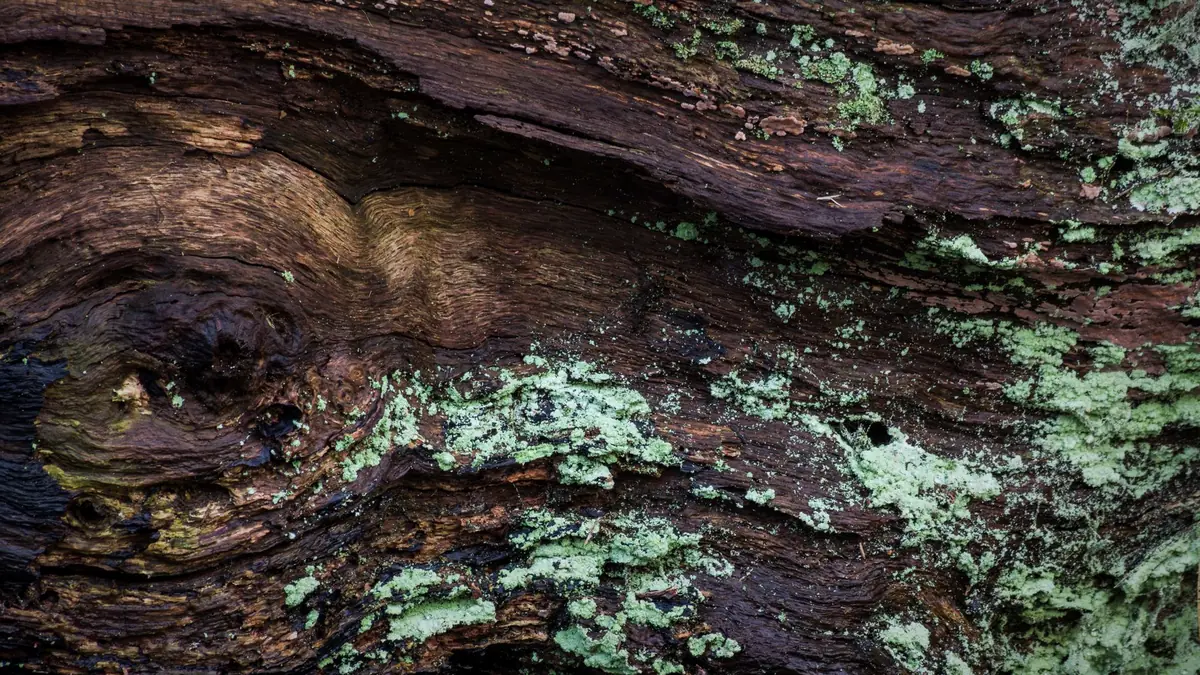
Water damage vs termite damage comes down to how the wood fails: water weakens wood through moisture, while termites eat wood from the inside out. A homeowner tells them apart by wood feel, grain direction, mud tubes, and staining. Water-damaged wood feels soft and spongy, darkens, and shows a square-celled surface pattern, while termite-damaged wood sounds hollow and shows mud tubes, frass, and maze-like galleries. The same moisture that rots crawl-space wood also draws dampwood termites, so both problems can show up together in a single Kent, WA home. Moisture calls for a water damage restoration company, and termites call for a pest control firm.
What Is the Difference Between Water Damage and Termite Damage?
The key difference between water damage and termite damage is their cause: moisture rots and softens wood, while termites feed on it from within. Water damage weakens structural framing as fungus and prolonged dampness break down the wood fibers, leaving a soft, stained, crumbling surface. Termites consume the cellulose inside the wood, hollowing out joists and beams while often leaving a thin outer shell intact. The single clearest tell is grain direction: termite tunnelling runs along the wood grain as the insects follow the softer spring growth, while rot and water damage cut across the grain. A homeowner who notices damage following the grain lines should suspect termites, and damage that spreads in square blocks across the grain points to moisture.
How Do You Tell Water Damage From Termite Damage in a Crawl Space?
To tell water damage from termite damage in a crawl space, you press the wood, tap it for a hollow sound, and check the foundation for mud tubes. These field tests separate soft, wet rot from the hollow galleries insects leave behind. The table below sets the two damage types side by side across the six clues a homeowner can check with a flashlight and a screwdriver.
| Clue | Water damage | Termite damage |
|---|---|---|
| Wood feel | Spongy and soft when pressed | Brittle and hollow when tapped |
| Grain direction | Damage cuts across the grain | Tunnelling runs along the grain |
| Surface pattern | Square-celled pattern with staining | Small round holes and maze-like galleries |
| Evidence left behind | Fungal growth and a musty odor | Mud tubes, frass, and discarded wings |
| Moisture | Damp wood near a known leak | Found even in dry wood |
| Discoloration | Darkened wood and water lines | Little to no discoloration |
Each row points to one of the specific-signs sections below, where the water-damage and termite-damage tells are broken out in full.
What Does Water-Damaged Wood Look and Feel Like?
Water-damaged wood is softened structural material that feels spongy, darkens, and develops a square-celled surface pattern. Prolonged moisture breaks the wood down into brown, cubical rot that crumbles under light pressure. The signs below mark the framing a homeowner should flag as a moisture problem rather than an insect one.
- Spongy, soft surface that gives way when pressed with a screwdriver
- Square-shaped cell pattern as the wood dries and cracks into cubes
- Dark staining or horizontal water lines across joists and subfloor
- Musty odor and fungal growth spreading across the damp framing
These signs appear when wet wood sits past the 24-48 hour window the EPA sets for drying materials before mold and rot take hold (EPA, 2024). Staining and fungal growth often raise the next question of whether the mark is mold instead, which is covered in telling water damage from mold.
What Does Termite-Damaged Wood Look Like?
Termite-damaged wood is cellulose material eaten from within that sounds hollow when tapped and shows mud tubes, frass, and maze-like galleries. The outer wood can look sound while the inside is a honeycomb of tunnels. The signs below separate insect damage from the soft, stained look of moisture rot.
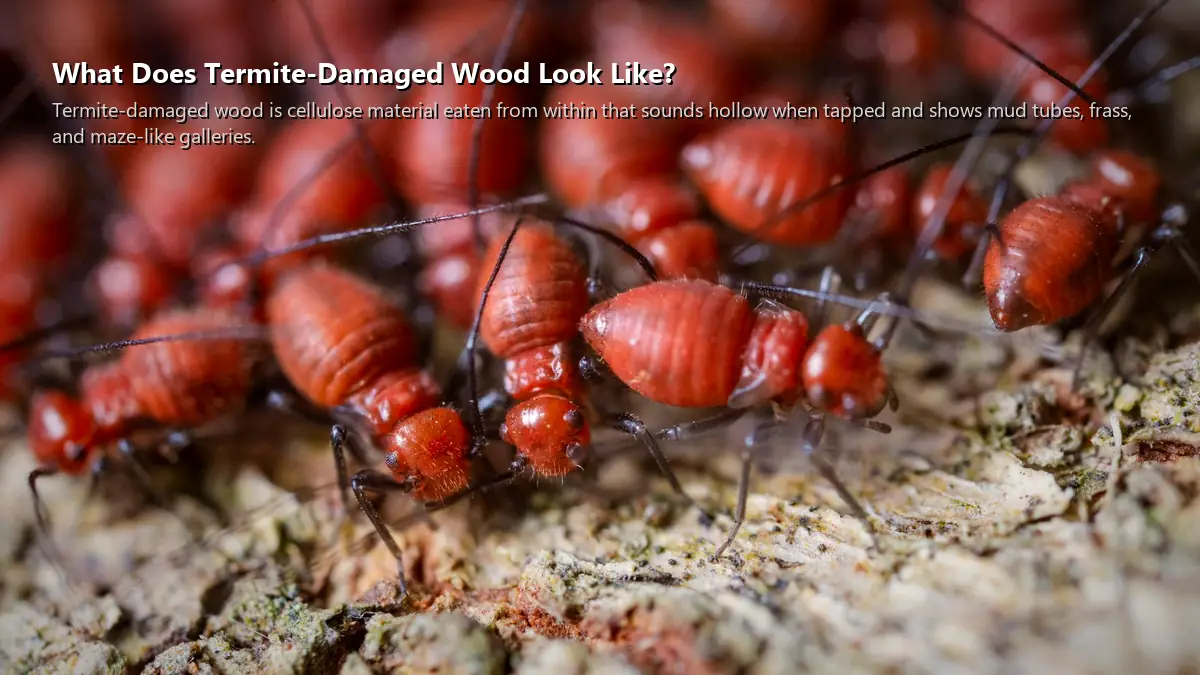
- Hollow-sounding framing that rings empty when tapped along a joist
- Mud tubes along the foundation where soil meets the wood
- Pellet-like frass near wood, resembling small piles of sawdust or coffee grounds
- Maze-like galleries running with the grain inside the beam
- Discarded wings near vents or windows after a swarm
Two termite types matter in this region. Pacific Northwest dampwood termites favor wet, decaying wood and push frass out of their galleries, which is why they so often follow a moisture problem (WSU Extension, 2023). Subterranean termites build the mud tubes that bridge the soil and the wood, keeping the insects moist as they travel. Termite identification and treatment fall to a pest control firm, so a homeowner spotting these signs documents what they see and calls one.
Can You Have Both Water Damage and Termites at the Same Time?
Yes, water damage and termites often occur together, because the same moisture that rots crawl-space wood attracts dampwood termites to it. Standing moisture rots crawl-space joists and draws dampwood termites to the softened wood, so one problem quietly feeds the other. Most Kent, WA homes sit on vented crawl spaces where undried moisture creates exactly the wet, rotting wood dampwood termites favor (WSU Extension, 2023). A plumbing leak or poor drainage that goes unaddressed can therefore leave a homeowner facing rot and insects at once. The moisture-termite link is covered further in how water damage attracts dampwood termites.
Who Do You Call for Water Damage vs Termite Damage in Kent, WA?
To handle water damage you call a water damage restoration company, and to handle termites you call a pest control firm. A water damage restoration company dries and restores moisture-damaged framing, extracting water and running air movers to pull the wood back below the moisture threshold where rot stops. A pest control firm inspects for and treats the termites themselves, a separate trade from drying and structural repair. In Washington, any contractor performing structural repairs must hold Washington L&I contractor registration under RCW 18.27 (WA L&I, 2024). A restoration company follows the IICRC S500 standard for water damage restoration work (IICRC, 2024). A homeowner who has confirmed the damage is moisture can call the number on this page to reach a local restoration company for water damage restoration for a Kent crawl space.
What Should You Do After Finding Water Damage in a Kent Crawl Space?
To act on water damage in a Kent crawl space, you dry the framing fast and repair what the moisture ruined before rot or termites take hold. The EPA’s 24-48 hour drying window is the reason not to wait, since wood held wet past that point rots and invites the dampwood termites that follow decay (EPA, 2024). The drying and repair steps that come next are laid out in fixing water damage in a crawl space.
Frequently Asked Questions About Water Damage and Termite Damage
How Do You Tell If It Is Water Damage or Termites?
To tell if damage is water or termites, you press the wood for sponginess and tap it for a hollow sound, then check the foundation for mud tubes. Spongy, stained wood near a leak points to moisture, while hollow framing with mud tubes points to termites. Damage that cuts across the grain is water rot, and damage that runs along the grain is insect tunnelling.
Will Water Damage Go Away on Its Own?
No, water damage does not resolve on its own; wood left wet past the EPA's 24-48 hour window rots and grows mold instead of drying out (EPA, 2024). A crawl space holds moisture against the framing long after the visible water is gone, so the rot keeps advancing. Active drying with extraction and air movers is what stops the damage.
What Can Be Mistaken for Termite Damage?
The damage most often mistaken for termites is water damage and wood rot, which both soften framing without the mud tubes or frass termites leave. Carpenter ant activity is a third misread, hollowing wood for nests but leaving clean, sawdust-like shavings rather than frass pellets. Pressing and tapping the wood and checking for mud tubes separates insect galleries from plain moisture rot.
Can You Live in a House With Water Damage?
You can live in a house with water damage for a short time, but standing moisture risks mold growth and weakened framing the longer it sits. Damp materials support mold, which the CDC links to respiratory irritation in sensitive people (CDC, 2024). Drying the affected area within the EPA's 24-48 hour window lowers that risk (EPA, 2024).